Sofia does not win you over in the first ten minutes. It has neither Prague's skyline nor Budapest's theatre. What it has instead is layers: Roman ruins under a metro station, an Ottoman mosque a hundred metres from a synagogue and an Orthodox cathedral, heavy socialist blocks, and behind all of it a genuine mountain. It is a city you read rather than photograph — which is precisely why it works so well as a two-day trip.
Below is a realistic itinerary, not one that assumes ten hours of walking a day.
Why Sofia for a city break
Three practical reasons. It is cheap by the standards of any European capital. It is compact — the centre is entirely walkable, no transport required. And it is easy to reach, which means you do not lose a full day getting there.
Sofia also comes into its own off-season, when the rest of Bulgaria closes down. A November or February weekend here is a far better idea than it sounds on paper.
Day 1: the historic core and the city's layers
Morning. Start in the centre and walk. The area around the Alexander Nevsky cathedral is the obvious opening move — it is the most photographed building in the country and it earns the attention. From there the centre unfolds naturally: the pedestrian boulevard, the interwar administrative buildings, small churches tucked between apartment blocks.
What surprises most visitors is the proximity of everything. Within a few hundred metres you have an Orthodox cathedral, a mosque, a synagogue and a Catholic church. Sofia informally calls this the square of religious tolerance, and walking it tells you more about the city's history than any museum will.
Lunch. Eat Bulgarian, not international. Shopska salad, tarator, chushki burek, something off the grill. Central restaurants are affordable and the portions are not shy.
Afternoon. The ruins of Serdica, the Roman city Sofia was built over, sit exposed in the central underpasses and metro level. They are one of the best things in town precisely because they are not staged. Follow with one of the major museums — if you only pick one, choose the history museum or the national gallery depending on your taste. Check opening hours in advance, especially on Mondays.
Evening. The central bar and restaurant district is genuinely lively without feeling touristy. This is a city where dinner tends to run long.
Day 2: markets, green space and neighbourhoods
Morning. The covered central market hall and the nearby produce market deserve an hour. This is where you see the working city rather than the postcard one: cheeses, pickles, honey, spices.
Lunch. Take it outside the central strip, in a neighbourhood with terraces. Prices drop noticeably two streets away from the tourist route.
Afternoon. Here you have a real choice:
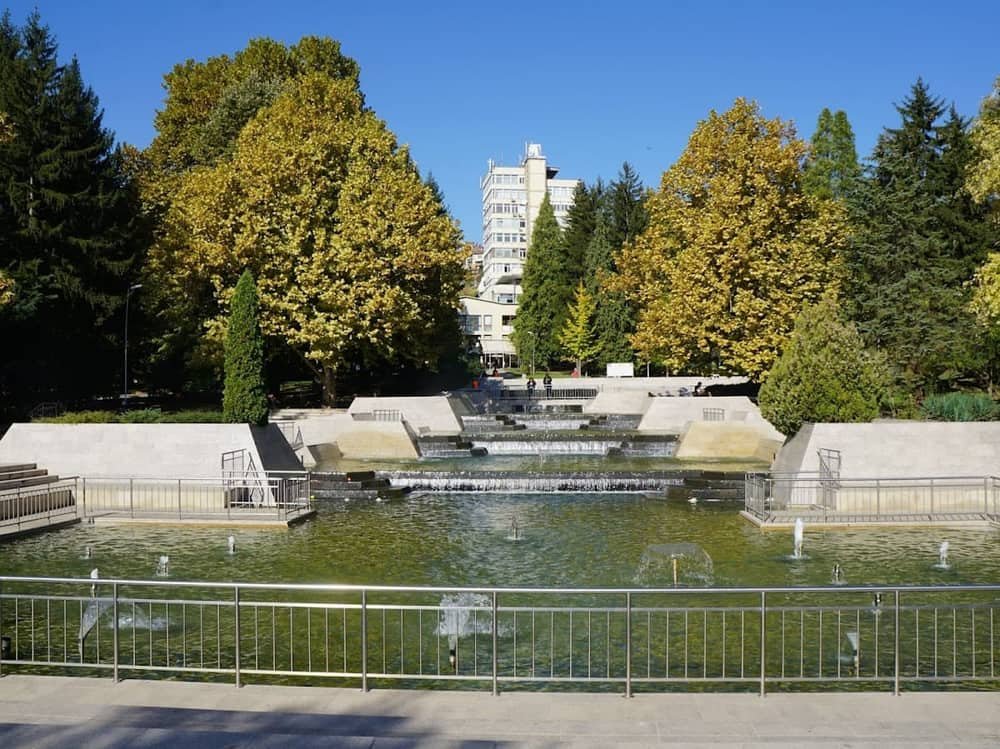
- The parks — Sofia has large, well-kept green spaces, ideal if the weather holds.
- The remaining museums — if day one left you wanting more.
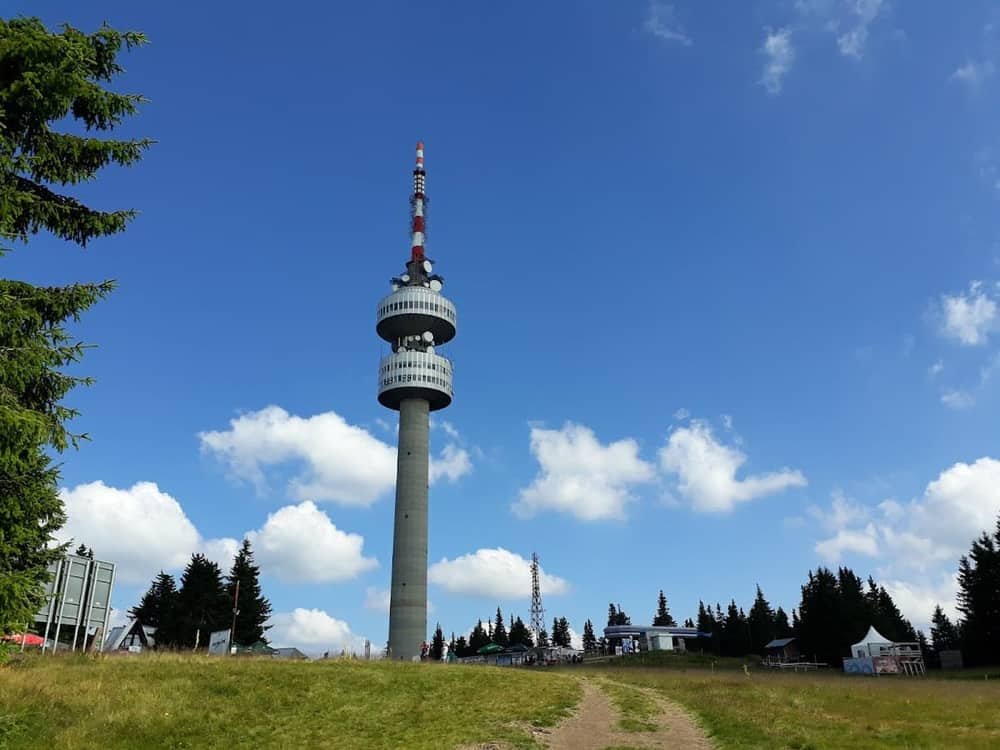
- Or, the best option in good weather: [Vitosha](/destinatii/vitosha), the mountain sitting directly above the city. It is reachable from town and it completely changes how you read Sofia. Very few European capitals have a real mountain on their doorstep.
Evening. If you leave the next morning, book a proper dinner. Sofia's food scene is considerably better than its reputation.
What you can safely skip
Not everything in the guidebooks deserves your time on a short trip. With only two days you can skip the small thematic museums, the shopping malls (they exist, they are normal, they are not a reason to travel) and any long out-of-town excursion that would eat one of your two days. For the full inventory of sights, see our attractions page and the detailed Sofia guide.
If you have a third day
This is where Sofia becomes valuable as a base.
[Rila Monastery](/blog/manastirea-rila-obiective-spirituale) is the classic day trip, and unlike many classic day trips it genuinely delivers. It is the most important monastic complex in Bulgaria, and the mountain drive is part of the experience. Doable by organised tour or by car.
[Plovdiv](/destinatii/plovdiv) is the other strong option. The old town, the Roman theatre and the Kapana district justify the trip on their own. If you are tempted, we wrote separately about a Plovdiv city break — plenty of visitors end up preferring Plovdiv to Sofia, which tells you something.
A spa day — the region has a serious thermal tradition, and city plus hot water is an excellent off-season pairing. Details in our spa and wellness guide.
Practicalities
- Where to stay — the centre is small, so stay in it. The savings further out do not justify the daily commute.
- Getting around — the metro is clean, cheap and links the airport to the centre. Walking handles almost everything else.
- Money — the currency is the Bulgarian lev; check the current situation before you travel, and note that cards are widely accepted in the capital.
- Driving — only worth it if you plan trips outside the city. Parking in the centre is a headache. Road rules and vignettes are covered in our driving in Bulgaria guide.
- When to go — spring and autumn are the most pleasant. Winter is cold but atmospheric; summer can be hot, though the mountain next door helps.
The verdict
Sofia is not an instant-wow capital, it is a second-look capital. Two days is exactly the right length: enough to understand the layers, not enough to get bored. Add a third day for Rila or Plovdiv and you have one of the best-value short breaks in Europe. For the rest of the country, start from our itinerary guide.
FAQ
Are two days enough for Sofia?
Yes, for the city itself. The centre is compact and can be covered comfortably in two days without rushing. A third day only becomes useful if you want an out-of-town excursion to Rila or Plovdiv.
When is the best time for a city break in Sofia?
Spring and autumn strike the best balance between weather and crowds. Winter is a solid off-season choice, especially if you add a mountain or spa day, but dress for it. Check the forecast first — at Sofia's altitude the weather can be colder than elsewhere in the country.
Can you visit Sofia without a car?
Absolutely. The metro connects the airport to the centre, and the centre itself is walkable. A car only helps for trips outside the city, and even those can be done by organised tour or private transfer.
Is Sofia better than Plovdiv?
They are different propositions. Sofia is the capital: bigger, more varied, better connected, with more museums. Plovdiv is prettier, more relaxed and easier to fall for over a weekend. If you have one weekend and want atmosphere, choose Plovdiv; if you want a base for several excursions, choose Sofia.