Burgas doesn't try to win you over at first sight. Unlike Varna, its more cosmopolitan sister to the north, the main city of Bulgaria's southern coast plays a quieter hand: shaded boulevards, a long seafront promenade, cafes where people actually linger over their coffee, and the unmistakable feel of a place that is lived in rather than merely visited. That is exactly why many travellers skip it, pausing only long enough to change buses for Nessebar or Sozopol. It's a mistake. Burgas rewards precisely the kind of traveller who is in no hurry.
Why Burgas
Set at the head of the bay that shares its name, Burgas is the largest city in south-eastern Bulgaria and the transport hub of the entire southern coast. It's where you land if you fly in for the southern beaches, where buses and trains depart for the interior, and the point from which roads fan out like spokes towards the resorts and ancient towns along the shore.
But Burgas is far more than a transit point. It has its own character — that of a working port city that has dressed itself up rather handsomely. The tastefully restored pedestrian centre links the railway station to the sea through a sequence of early-twentieth-century streets, shops and terraces. And at the end of them waits the city's jewel: the Sea Garden.
- Atmosphere: relaxed, local, free of the bustle of mass-tourism resorts
- Good for: a quiet city break, birdwatching, long walks, a base for exploring the south
- Less suited to: anyone after non-stop parties and pure resort beach (that's Sunny Beach)
The Sea Garden and the beach
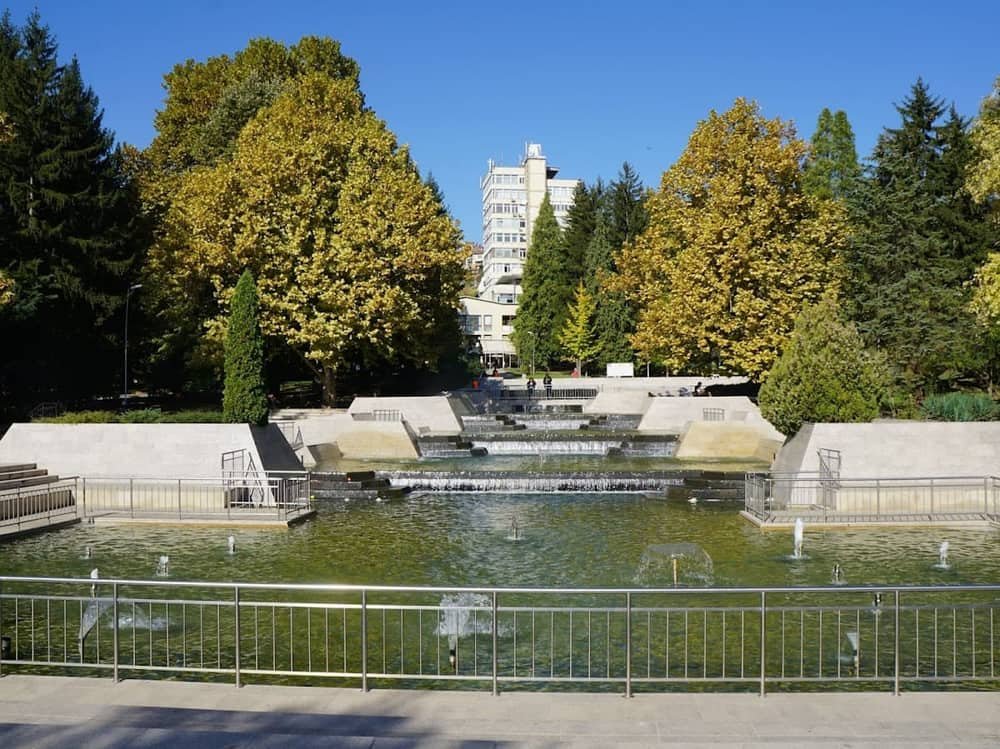
The Sea Garden (Morska Gradina) is the soul of the city. Stretching for almost three kilometres above the seafront bluff, it is one of Bulgaria's oldest and best-kept parks, with avenues lined by limes and plane trees, statues, fountains and terraces overlooking the bay. Locals come at every hour — running in the morning, with children in the afternoon, beer in hand at sunset over the water.
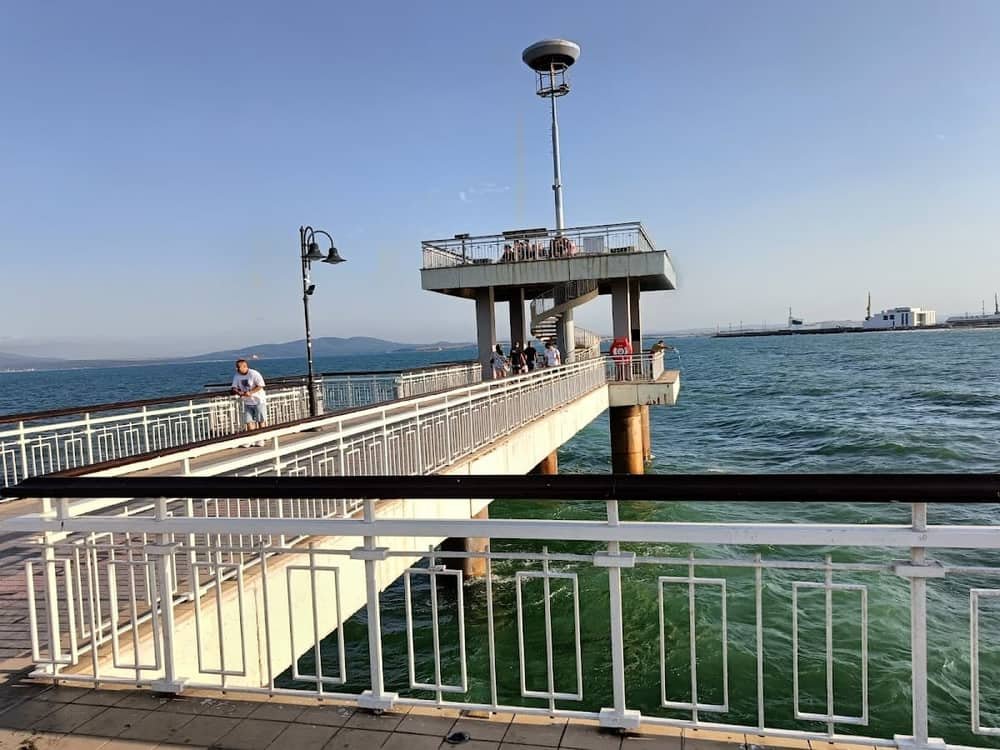
A broad promenade runs the length of the park, perfect for an aimless stroll. At one end stands the old pier (the Mostik), the city's unofficial emblem — a long jetty reaching into the sea, the favourite spot for sunrise photographs and for patient anglers. Below the park, the city beach spreads out generously: fine sand, sunbed rental, beach bars. It isn't the coast's most spectacular beach, but it has the great advantage of being a ten-minute walk from the centre.
- The Mostik — the best place for sunrise; come early, the light is magical
- The old casino (now a cultural centre) and the summer theatre in the park — check the listings, concerts run in summer
- The cafe with a view at the park's northern end — a classic coffee stop
The Burgas Lakes and a paradise for birds
This is where Burgas turns genuinely special. The city is ringed by a complex of four lakes and wetlands that form one of the most important refuges for birds in Europe. Burgas sits squarely on the Via Pontica, the great migration corridor linking northern Europe to Africa — and in spring and autumn the skies fill with storks, pelicans and raptors stopping here to rest.
Lake Atanasovsko
Just north of the city, Lake Atanasovsko is a working salt pan and a nature reserve. Its water, saltier than the sea, sometimes turns a rosy pink from the microorganisms that thrive in the brine. In season you can spot flamingos, herons, black-winged stilts and dozens of species of waders. An interpretive trail with information panels and an observation tower lets you get close without disturbing the birds.
Lake Burgas (Vaya)
West of the city, Lake Vaya is the largest natural lake in Bulgaria, a reed-fringed freshwater lake. The Dalmatian pelican — a rare and magnificent species — is the star here. It's an excellent spot for first-light observation.
Poda and Mandra
To the south, the Poda visitor centre is probably the most accessible birdwatching point: a small centre with observation hides, ideal even for complete beginners. Beyond it, Lake Mandra completes the picture.
- Best season: April–May and August–October, at the height of migration
- What to bring: binoculars, water, sun protection, comfortable shoes
- Visitor-centre hours vary — check in advance as an indicative guide
The salt pans and mud baths
The tradition of salt harvesting at Atanasovsko is over a century old and still going. Along the lake edge you'll see the white mounds of salt and the geometric evaporation pools. More than that, the black salt-pan mud is famous for its therapeutic properties — in summer, locals and visitors coat themselves in mud and take brine baths in the designated areas, an unexpectedly pleasant and entirely free experience. Ask locally which sections are open to the public in season.
A base for exploring the south
This is where the case for making Burgas your headquarters is clearest. Practically the whole southern coast is within easy reach.
- Nessebar — the UNESCO museum-town with its Byzantine churches, to the north; easy to reach by bus
- Sozopol — ancient Apollonia, with its wooden old town on a peninsula, to the south
- Pomorie — known for its therapeutic-mud lagoon and its salt
- Sunny Beach — the big party resort to the north, if you want energy and nightlife
- Sveti Vlas — the elegant, quieter marina next to Sunny Beach
- The wild southern beaches towards Sinemorets and the Turkish border — among the finest in the country
From Burgas you set out in the morning, see one or two destinations and return in the evening to the calm of the city. It's the ideal model for anyone who wants to explore without changing accommodation every night.
What to eat
As a port city, Burgas takes pride in its fish and seafood. Look for tsatsa (small fried sprats eaten whole, perfect with cold beer), mussels prepared every which way, and grilled Black Sea white fish. Don't miss a shopska salad (with crumbled sirene cheese), a cold tarator soup on sweltering days, and the yoghurt desserts. The central covered market is worth a visit for local produce, honey and Atanasovsko salt.
Where to stay
Burgas offers accommodation for every budget, without the peak prices of the resorts.
- Near the Sea Garden and centre — the best area: you're walking distance from beach, park and restaurants
- Aleksandrovska pedestrian street and around — hotels and apartments, everything close by
- The Lazur district — residential, quiet, near the sea
- For a pure beach holiday, many choose to sleep in Burgas and commute to the resorts, or the other way round
Prices are indicative and vary widely between high and low season; book ahead in July and August.
Getting there
- By air: Burgas Airport handles many charter and scheduled flights in summer; it's the closest airport to the entire southern coast.
- By car from Romania: Romania and Bulgaria are now both in Schengen, so at the land border there is no longer any passport or ID check — you cross as if between two counties. To drive on Bulgarian roads you must have an electronic vignette, bought online or at petrol stations before you join the motorway. Fuel costs, indicatively, around 2 euro per litre (petrol and diesel).
- By train and bus: Burgas is the end of a rail line, with links to Sofia and Plovdiv. The railway station and the central bus station sit side by side near the port — very convenient for connections to Nessebar, Sozopol and the rest of the coast.
Money and practical odds and ends
Bulgaria now uses the euro; during the transition the lev still circulates in parallel, so you may receive change in both. Cards are accepted almost everywhere, but keep some small cash for markets, taxis and the beach. Burgas is a safe, easily walkable city; the centre, the park and the beach are all within strolling distance.
Come for a day and you'll very likely stay three. Burgas is the kind of city that grows on you imperceptibly — with every sunset from the Mostik and every flock of birds slicing across the sky above the salt pans.
FAQ
Why is Burgas worth it, not just as a transit city? Burgas is a relaxed port city that is lived in rather than merely visited, with a tastefully restored pedestrian centre linking the station to the sea. Its jewel is the Sea Garden, a park almost three kilometres long above the seafront, with the old Mostik pier at one end and the city beach a ten-minute walk from the centre.
What is special about the Burgas lakes? The city is ringed by four lakes and wetlands on the Via Pontica, the great migration corridor to Africa. Lake Atanasovsko is a salt pan whose water sometimes turns pink, with flamingos and waders; Lake Vaya, the largest in Bulgaria, has Dalmatian pelicans; and the Poda visitor centre is the most accessible for beginners. Best season: April–May and August–October.
Can I take mud baths in Burgas? Yes. The black mud from the Atanasovsko salt pan is famous for its therapeutic properties, and in summer locals and visitors coat themselves in mud and take brine baths in the designated areas — an entirely free experience. Ask locally which sections are open to the public in season.
What can I visit using Burgas as a base? Practically the whole southern coast is within easy reach: Nessebar (UNESCO) and Sunny Beach to the north, Sozopol (ancient Apollonia) and the wild beaches towards Sinemorets to the south, plus Pomorie and the Sveti Vlas marina. You set out in the morning and return in the evening without changing accommodation. Practically: Schengen with no border control, the euro, an electronic vignette, fuel at about 2 euro per litre (indicative) — see fuel.