Of all the decisions you make before a trip to Bulgaria, this is the one argued about most often in driver forums and reasoned about least well. "Ruse always queues." "Negru Vodă has terrible roads." Both statements are occasionally true and almost always incomplete.
The reality is simpler than the debate suggests: the two crossings are not competing for the same journey. They serve different destinations, and if you pick your border by where you are actually going rather than by forum folklore, the decision takes thirty seconds.
The fundamental difference, in two sentences
Ruse is a bridge over the Danube south of Giurgiu, roughly ninety minutes from Bucharest. It puts you in north-central Bulgaria and opens up the whole country: Veliko Tarnovo, Sofia, Plovdiv, the south, Greece.
Negru Vodă is a land crossing in Dobrogea, southwest of Constanța, with no bridge and therefore no infrastructure charge. It puts you in the far northeast, pointing straight at the Black Sea coast.
Put plainly: Ruse is for the interior and for transit to Greece. Negru Vodă is for the coast, if you are starting from Constanța.
Ruse: the genuine advantages
The Giurgiu–Ruse bridge is the busiest Romania–Bulgaria crossing and the default choice for most travellers.
What it has going for it:
- Proximity to Bucharest. Around 60–70 km to Giurgiu on mostly decent road. You can be inside Bulgaria in under two hours from the capital (approximate).
- It opens the entire country. From Ruse the roads run to Veliko Tarnovo, to Sofia, and south toward Plovdiv. If Greece is the destination, it is the only reasonable option from Bucharest.
- Full support infrastructure. Vignette sales points, fuel stations, ATMs and exchange offices are all within the first few kilometres past the bridge.
- Open around the clock, with capacity for heavy freight.
What works against it:
- The bridge toll, charged by vehicle category at the plaza. Current tariffs and timing advice sit on our Giurgiu–Ruse bridge page.
- Weekend queues in July and August. Friday evening and Saturday morning outbound; Sunday afternoon on the way home.
- A single lane in each direction on the bridge, which means any incident propagates instantly into a queue.
Negru Vodă: who it actually suits
Negru Vodă (Kardam on the Bulgarian side) is far smaller, far quieter, and entirely wrong for most itineraries — with one important exception.
What it has going for it:
- No bridge toll. There is no structure to cross, so there is no crossing charge. The Bulgarian vignette still applies.
- Substantially lighter traffic. Outside the summer peak you can be through in minutes.
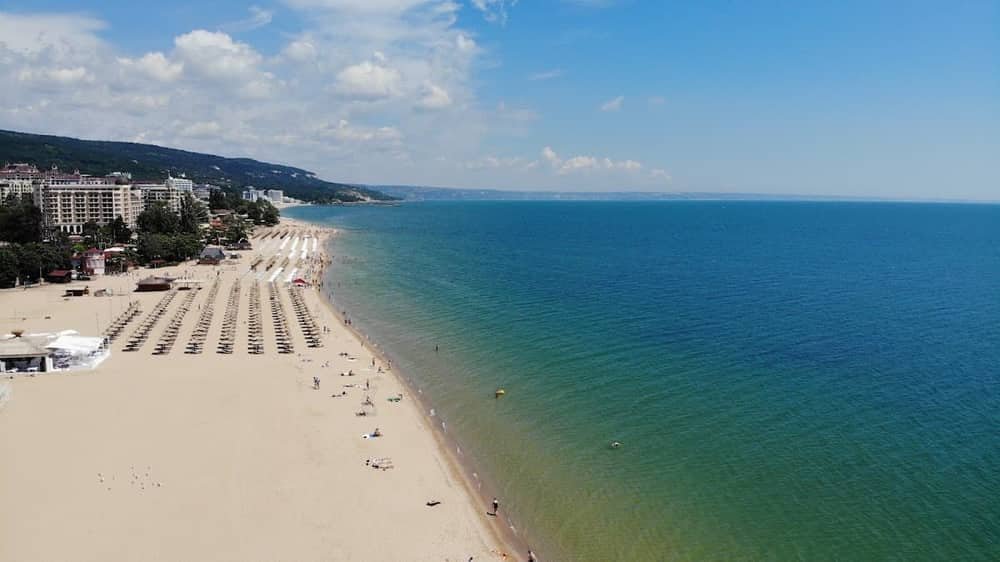
- The shortest route to the northern Bulgarian coast if you are starting from Constanța or anywhere in Dobrogea. Kavarna, Balchik and Albena are close.
What works against it:
- It makes no sense from Bucharest. You would drive east to Constanța first, then south — a detour that erases any saving.
- The approach roads are national roads, not motorway, with villages and speed limits throughout.
- Services are thin. Do not count on currency exchange or much choice of fuel immediately after crossing.
- Opening hours and facilities at a small crossing can vary and need verification before you leave, particularly out of season.
Worth mentioning alongside it is Vama Veche / Durankulak, further east on the coast road: the natural choice if you are already on the Romanian seaside and heading for Durankulak, Shabla and Kavarna. In peak season it is comfortably the busiest of the Dobrogea crossings.
Choosing by destination
- Greece, starting from Bucharest? Ruse. There is no serious second option. The full route, charges and pitfalls are in Bucharest to Thessaloniki through Bulgaria.
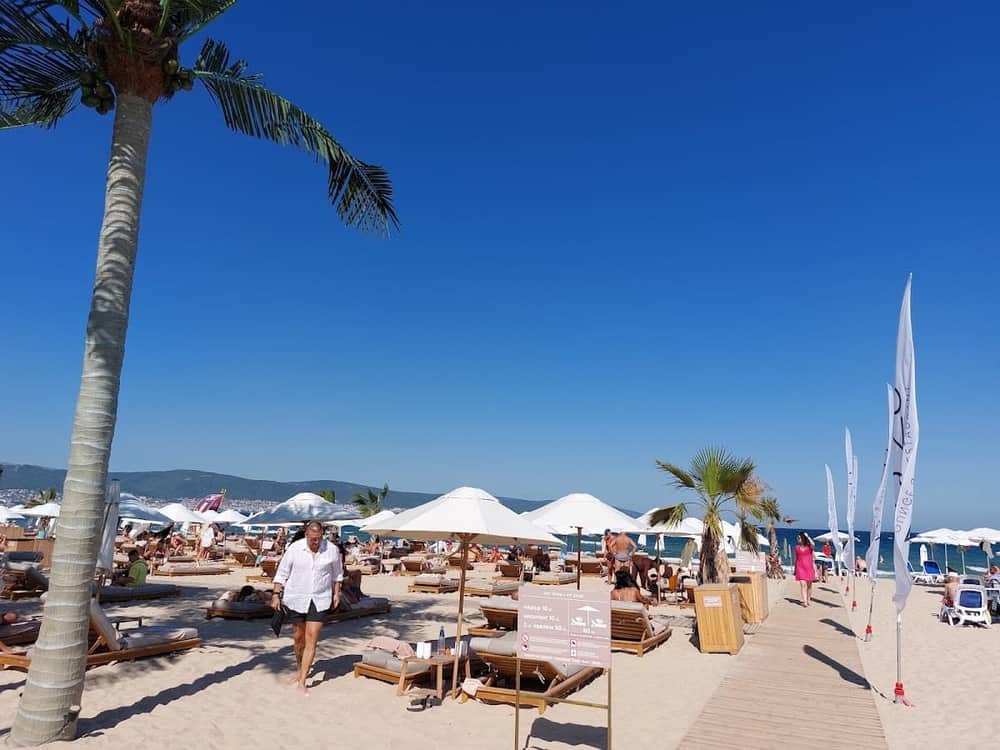
- [Sunny Beach](/destinatii/sunny-beach) or [Burgas](/destinatii/burgas) from Bucharest? Ruse again, then south. Route detail in Bucharest to the Bulgarian coast.
- Albena, Balchik or Golden Sands from Constanța? Negru Vodă or Durankulak, depending on how close to the coast you already are.
- A city break in [Plovdiv](/destinatii/plovdiv), Sofia or [Veliko Tarnovo](/destinatii/veliko-tarnovo)? Ruse, obviously.
- Determined to avoid the bridge toll? Price the extra fuel for the detour first with our fuel price tool. More often than not, the detour costs more than the toll.
What applies at both crossings
Whichever border you use, the same rules hold:
- The Bulgarian e-vignette is mandatory on the republican road network. Buy it online, at a fuel station or at a border kiosk, and enter your registration exactly. Everything is explained in Bulgaria by car: vignette and road charges.
- Vehicle documents and ID should be within reach. Systematic checks at internal land borders have been lifted, but random checks remain possible.
- If the car is not registered in your name, carry a written authorisation from the owner.
- Minors travelling without both parents need additional paperwork — confirm the current requirements before departure.
Timing tricks that actually work
- Leave very early or after lunch. The 08:00–12:00 window on a Saturday is the worst possible moment at Ruse.
- Avoid returning on Sunday between 15:00 and 20:00. Coming back Monday morning can save an hour or more.
- Check the forecast first. Morning fog over the Danube and summer storms slow everything down; use our weather page for the route.
- Buy the vignette in advance, not while sitting in the queue.
- Carry some leva. An ATM in the first Bulgarian town beats the exchange booths at the border every time.
If the journey continues to Greece
For drivers merely transiting Bulgaria, Ruse is the start of a long day — and the next decision, equally important, is where to break the drive overnight. We covered that separately in where to stop overnight on the drive to Greece. If your final destination is a north Aegean island, our dedicated guide to Thassos covers the ports and ferries. Every way into Bulgaria, including flying and coach, is compared in how to get to Bulgaria.
FAQ
Which crossing is faster, Ruse or Negru Vodă? Measured purely by time spent at the border, Negru Vodă almost always wins, because it handles a fraction of the traffic. Measured door to door, Ruse wins decisively for any destination in the Bulgarian interior or in Greece, because the detour via Constanța cancels out the saving.
Is there a charge at Negru Vodă? There is no crossing fee, because there is no bridge. The Bulgarian e-vignette remains compulsory the moment you join the republican road network, regardless of which border you used.
Can I cross at night? The Ruse bridge operates around the clock. At smaller crossings, hours can vary by season — this needs verification before you travel, especially outside the summer months.
Is it worth detouring via Vama Veche to dodge the bridge toll? Almost never, if you are starting from Bucharest. The extra kilometres, fuel and time typically exceed the toll. The detour only makes sense if you are already on the Romanian coast and heading for the northern Bulgarian shore.