
Bulgaria has been making wine for nearly eight thousand years — the Thracians drank from gold cups long before Rome planted its first vines. Today, after decades in which the country exported oceans of anonymous wine from behind the Iron Curtain, a new generation of small cellars has rediscovered what was in the vault all along: native grapes that exist nowhere else on earth. For a visitor, it may be the most rewarding surprise of a Bulgarian holiday — and one that begins just a few hours by car from the Romanian border.
Why Bulgarian wine matters
Wine is not a footnote in Bulgaria; it is a spine of the culture. The feast of Saint Trifon Zarezan, on 14 February, marks the ritual pruning of the vines and opens the wine year with brass bands, wine poured over the roots and a "king of the vineyard" crowned in every village. It is a calendar that has bound people to the land for millennia.
For travellers, the practical context has lately become wonderfully simple. Romania and Bulgaria are both in Schengen, so the land border has no passport or ID control — you cross the Danube and you are already in vineyard country. The currency is now the euro (the lev still circulates in parallel during the transition), so there is no awkward money-changing. If you drive, you need a mandatory electronic vignette, and fuel runs around 2 euro per litre (indicative, for both petrol and diesel).
The grapes you will find nowhere else
The charm of Bulgaria lies in its indigenous varieties. You can drink Cabernet and Chardonnay anywhere in the world; here you come for what you cannot find elsewhere.
- Mavrud — the red king of Bulgaria. A late-ripening grape from the Thracian plain, it makes dense, tannic wines with blackberry, dried plum, leather and spice. It ages superbly and carries the legend of a young man who slew a lion after drinking wine from the vines his mother tended.
- Shiroka Melnishka loza ("the broad-leaved vine of Melnik") — the signature grape of the south, around the town of Melnik. It yields structured reds with body and notes of tobacco and ripe red fruit, traditionally matured in cellars carved into sandstone.
- Rubin — a modern Bulgarian crossing of Nebbiolo and Syrah, created in the 1940s. Velvety and perfumed, it is often used in blends to lend elegance.
- Gamza (known in Hungary as Kadarka) — a light, lively red with fresh acidity, typical of the north near the Danube. Excellent lightly chilled, with food.
- Dimyat — a classic native white, especially on the eastern coast near Varna. It makes fresh, floral, citrusy wines and also serves as a base for grape brandy.
Beyond these you will meet Red Misket (a local aromatic), Tamianka (a Muscat relative) and, of course, the international varieties planted at scale — Cabernet Sauvignon, Merlot, Syrah, Chardonnay, Sauvignon Blanc — which often perform remarkably well.
The wine regions
The Thracian Lowlands
The heart of Bulgarian wine lies in the south, around Plovdiv — one of the oldest continuously inhabited cities in Europe and an essential stop. Warm summers and generous soils make this plain the homeland of Mavrud. The Asenovgrad subzone, at the foot of the Rhodope Mountains, is regarded as the cradle of fine Mavrud, while the nearby Bachkovo Monastery offers a perfect spiritual counterpoint to a day of tastings.
To the north lies the Rose Valley around Kazanlak — famous for rose oil, but also good vine country where aromatics and fine reds feel at home.
The Struma Valley and Melnik
In the south-western corner, towards the Greek border, the Struma river carves a warm, almost Mediterranean valley sheltered by the Pirin and Rila mountains. Here Shiroka Melnishka reigns, and the epicentre is Melnik — officially the smallest town in Bulgaria, with only a few hundred residents but an enormous winemaking tradition. Its white houses climb dramatic eroded sandstone pyramids, and beneath them hide natural cellars where the temperature stays constant year-round.
Just a few kilometres away, the village of Rozhen and its medieval monastery complete one of the loveliest day routes in the whole country: white cliffs, painted cells and Melnik wine drawn straight from the barrel.
The Danube north and the coast
Towards the Danube in the north, the cooler climate favours Gamza and crisp whites; it is a less touristy but authentic region. To the east, on the Black Sea coast — around Varna, Burgas and Pomorie — the sea breeze gives vibrant whites from Dimyat and aromatics. Pomorie is in fact a historic production centre, easy to fold into a coastal day near Sunny Beach or Nessebar.
Cellars and tastings
The landscape has transformed radically. Alongside the big producers, dozens of boutique wineries now welcome visitors with guided tastings, lunches in the vines and sometimes a bed for the night. A few orientation points:
- In the Thracian Lowlands, the Plovdiv–Asenovgrad corridor concentrates the most easily arranged visits, many specialising in Mavrud.
- In the Struma Valley, the cellars around Melnik offer the most picturesque experience — tasting in sandstone caves with a view of the cliffs.
- On the coast, the Pomorie–Varna area lets you pair tastings with a beach holiday.
A few practical tips, useful anywhere:
- Book ahead. Small cellars receive by reservation; a message a day or two before guarantees a guide and often a board of local charcuterie and cheese.
- Appoint a driver or take a tour with transport. Roadside checks exist, and the alcohol limit is strict.
- Buy at the cellar. Many top wines — especially small runs of Mavrud and Melnik — never reach export; a bottle bought from the maker is often the best souvenir.
Food pairings
Bulgarian cooking seems built for these wines.
- Mavrud is at home beside kavarma (a slow meat stew) or roast lamb — its tannins cut the fat beautifully.
- Shiroka Melnishka and Melnik reds love grilled meat, kebapche and kyufte, as well as aged cheeses.
- Gamza, lightly chilled, is ideal in summer with a shopska salad (tomato, cucumber and sirene cheese) or with cured meats like lukanka.
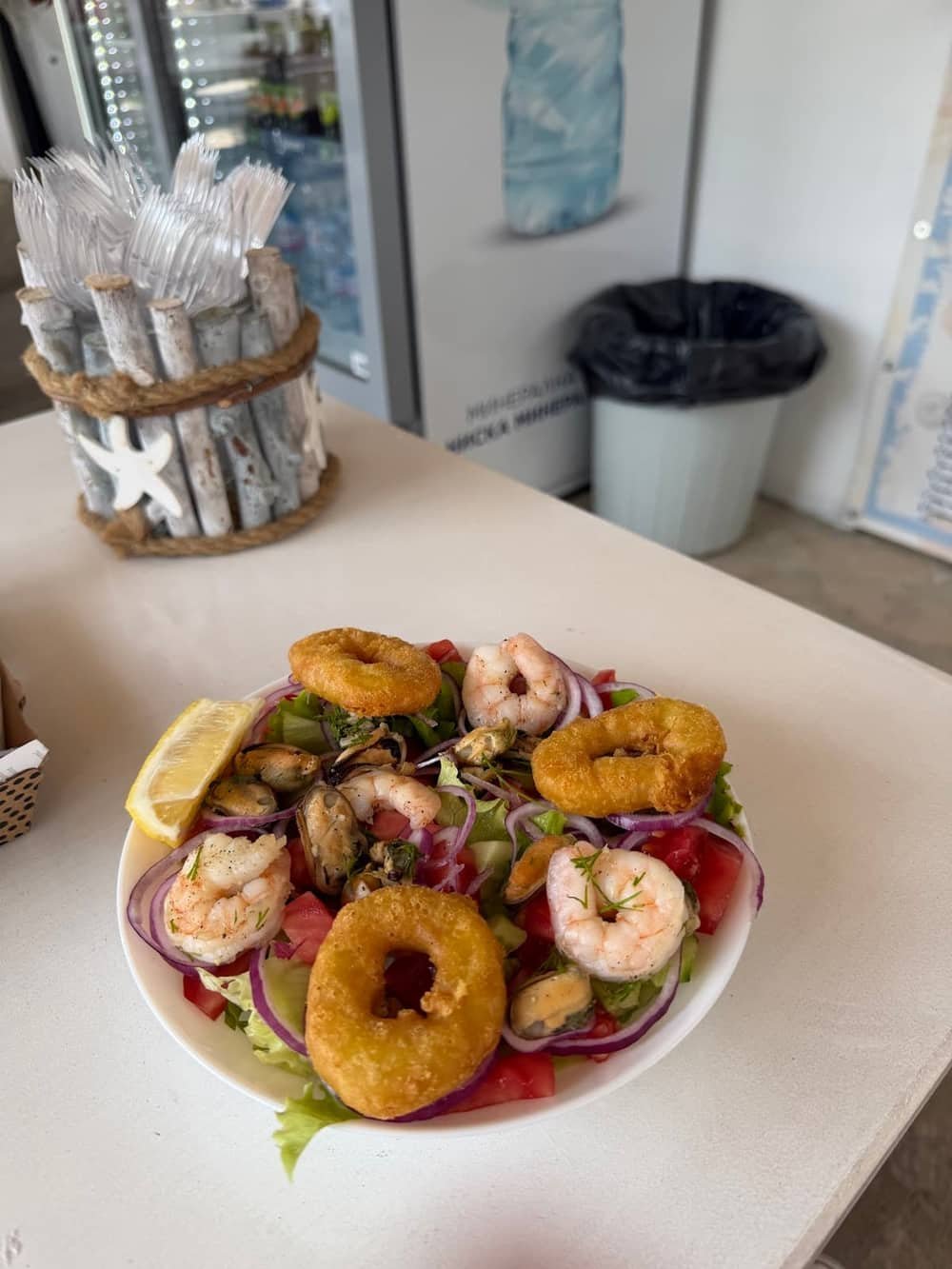
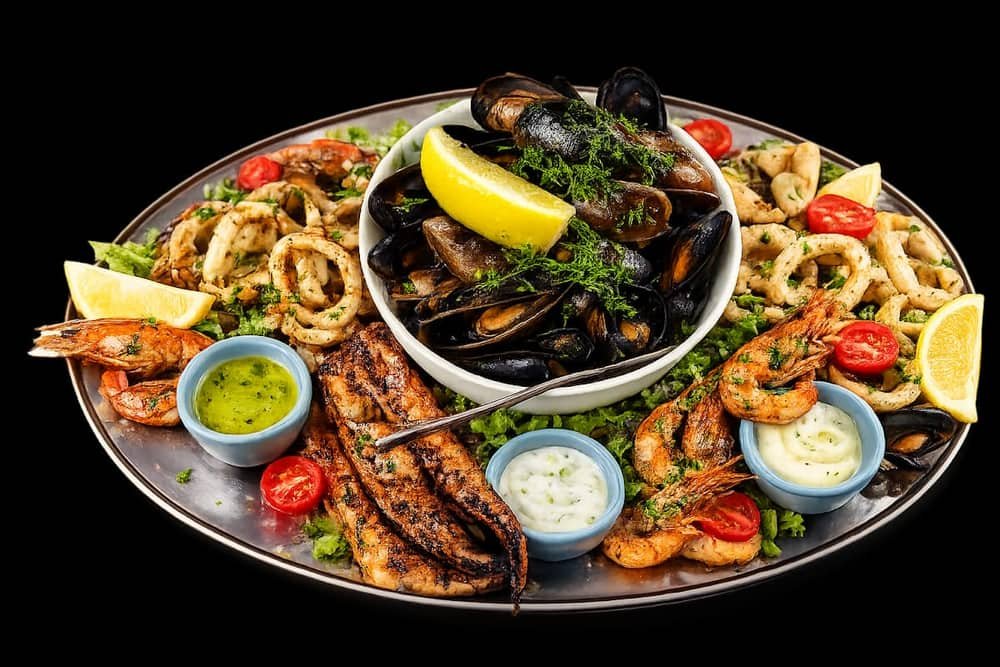
- Dimyat and coastal whites call for fresh fish, mussels and grilled vegetables — exactly what you would eat on the coast anyway.
Do not miss rakia either — the grape (or plum) spirit that opens almost every Bulgarian meal. It is not wine, but it belongs to the same culture of hospitality.
A wine-route idea
For five or six days, a satisfying loop might look like this:
- Plovdiv as a base — two nights of city, Mavrud tastings towards Asenovgrad and a visit to Bachkovo Monastery.
- Drive south-west for a night in Melnik — sandstone cellars, Shiroka Melnishka and a walk up to Rozhen Monastery.
- Optionally stop in Sofia or the mountains (Bansko, Rila) on the way home, pairing wine with alpine scenery.
For those starting their holiday on the coast, the short version is a day around Pomorie, tasting whites and strolling through Nessebar.
Whatever your route, remember one thing: Bulgarian wine is in no hurry. Drink it slowly, ask for the story behind the bottle, and let yourself be carried by a grape you have, very likely, never tasted before. (Prices and cellar hours are indicative — check before you visit.)
FAQ
Which native grape varieties should I try? Bulgaria's charm lies in grapes you won't find elsewhere: Mavrud (the dense, tannic red king of the Thracian plain), Shiroka Melnishka loza (structured reds around Melnik), Gamza (a light red from the Danube north) and Dimyat (a classic coastal white near Varna). You will also meet Rubin, Red Misket and Tamianka.
What are the main wine regions? The Thracian Lowlands around Plovdiv (homeland of Mavrud, with the Asenovgrad subzone), the Struma Valley with Melnik in the south-west (cellars carved into sandstone), the Danube north for Gamza and crisp whites, and the Black Sea coast — Varna, Burgas, Pomorie — for vibrant Dimyat whites.
How do I plan a cellar tasting? Book ahead: small cellars receive by reservation, and a message a day or two before guarantees a guide and often a board of charcuterie and cheese. Appoint a driver or take a tour with transport — roadside checks exist and the alcohol limit is strict. Prices and cellar hours are indicative.
What food pairs with Bulgarian wines? The cuisine seems built for them: Mavrud with kavarma or lamb (the tannins cut the fat), Shiroka Melnishka with grills like kebapche and kyufte, Gamza lightly chilled with a shopska salad or lukanka, and Dimyat and coastal whites with fresh fish and mussels. Don't miss rakia either, which opens almost every meal.