Bulgarian cuisine is one of southeastern Europe's most underrated tables. It sits at the crossroads of the Balkan, Ottoman and Mediterranean worlds, and the result is a kitchen where yogurt, roasted peppers, salty cheese and mountain herbs take the leading roles. For many visitors it feels familiar yet subtly different: the same vegetables, a different accent. This guide tells you what to look for on the plate, from the Black Sea coast to the villages of the Rhodopes, and how to order like a local.
Breakfast: banitsa and mekitsi
The Bulgarian day often begins with banitsa, a pastry of thin filo sheets layered with salty white cheese (sirene) and eggs, sometimes bound with yogurt. It is pulled apart warm, straight from the tray, and eaten with a glass of boza (a thick, fermented, sweet-sour grain drink) or salty ayran. At New Year, lucky paper messages are baked inside the banitsa — a tradition you will hear about in many homes.
The other morning star is mekitsi: deep-fried yeast dough enriched with yogurt, puffed golden and dusted with sugar or spread with jam and honey. You will find them at neighbourhood stalls and at mountain guesthouses around Bansko or the villages near Pamporovo. A breakfast of mekitsi with rose-petal jam from the Rose Valley (Kazanlak) is worth seeking out on purpose.
Salads and cold starters
Shopska salad
If Bulgaria has a national dish, it is the shopska salad: tomatoes, cucumbers, peppers (sometimes roasted), onion and a generous snowfall of grated sirene on top, dressed with oil and occasionally vinegar. Its colours — red, white, green — echo the Bulgarian flag, and its freshness makes it the default opener before almost any meal, especially in summer along the coast at Nessebar or Sozopol.
Tarator
Tarator is a chilled yogurt soup with cucumber, garlic, dill, oil and crushed walnuts, served as balm on scorching days. On the beach at Sunny Beach or Golden Sands, a bowl of tarator does more than any cold drink. The thick, water-free version is called snezhanka and is built on strained yogurt.
Lyutenitsa
Lyutenitsa is a relish of roasted peppers and tomatoes (often with aubergine and carrot), cooked down for hours until thick. It is spread on bread, served alongside grilled meat, and jarred for winter. Every family has its own recipe; many guesthouses make it in-house and sell it at the gate. Look for it as an edible souvenir — it travels well.
Cheeses: sirene and kashkaval
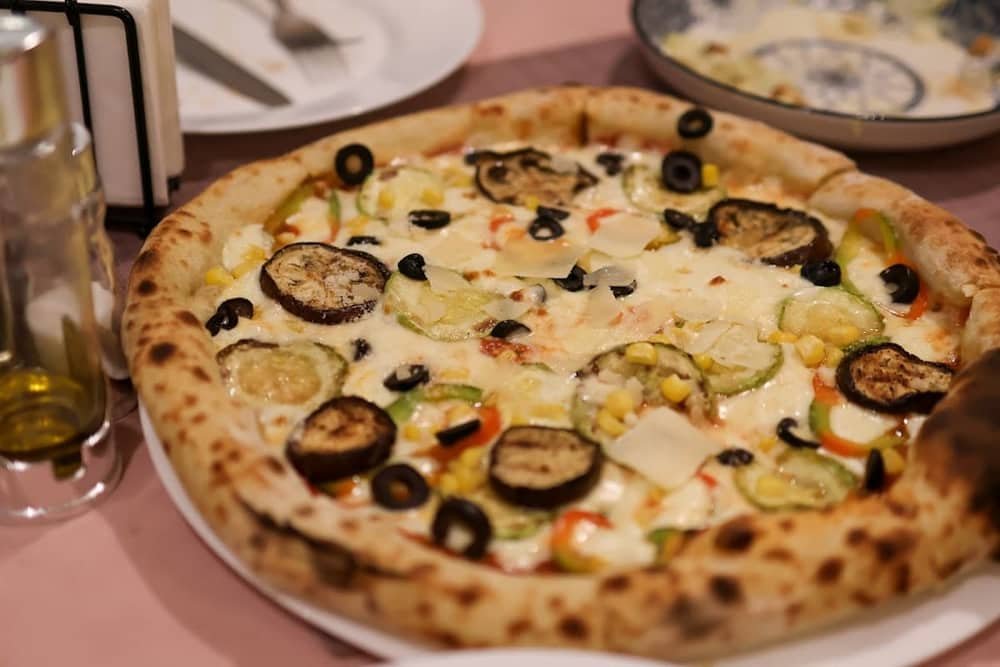
Two cheeses anchor almost the entire cuisine. Sirene is a white, salty, brined cheese close to feta — crumbled over salads, baked into banitsa, or served breaded and fried (sirene pané). Kashkaval is the firm yellow cheese, similar to a young cheddar — it melts on local pizza, fries in slices and grates over pasta. Order sirene po shopski: sirene baked in a clay dish with tomatoes, peppers and an egg cracked on top. Simple and memorable.
Main dishes: from the grill to the stew
Kebapche and kyufte
The heart of the mehana kitchen is the grill. Kebapche are long rolls of minced meat (pork and beef) seasoned with cumin and black pepper, grilled over coals. Kyufte is the round version, a flattened patty often laced with onion. You order them by the piece, with chips, lyutenitsa and a salad on the side. A platter of kebapche with a cold local beer is the classic seaside dinner.
Kavarma
Kavarma is the emblematic stew: pieces of meat (pork or chicken) slowly braised with onion, peppers, mushrooms and wine, served sizzling in an individual clay pot called a gyuveche. The mountain versions from the Rhodopes or around Troyan are heartier and made for cold evenings. A close relative is gyuvech, a vegetable-and-meat casserole baked long and slow.
Meat and bean specialities
- Kapama — layers of meat, sauerkraut and rice smothered together for hours, a festive speciality especially around Bansko.
- Cheverme — whole lamb or kid roasted on a spit, a Rhodope ritual for Sundays and feast days.
- Bob chorba — bean soup with dried chilli and mint, the soul food of winter.
- Sarmi — stuffed vine or cabbage leaves, very close to the Romanian version but often with more rice and dill.
Bread, pastries and street food
Beyond banitsa you will meet a whole family of baked goods: savoury mekitsa, milinka, tutmanik (cheese bread) and printsenik. On the street corner, dyuner (the local döner) and grilled snacks feed the cities. In Plovdiv or Sofia, seek out the small bakeries where banitsa comes warm from the oven all morning. The round loaf — pitka — is torn by hand and dipped into lyutenitsa.
Sweets and desserts
The Ottoman influence shows clearly in the desserts. Baklava and kadaif (shredded pastry with walnut and syrup) sit beside garash (chocolate-walnut cake) and autumn's tikvenik (pumpkin strudel with walnut and cinnamon). Do not miss rose-petal jam, mountain honey, and authentic Bulgarian yogurt made with Lactobacillus bulgaricus — thick, tart, served with honey and walnuts. Yogurt here is not a breakfast afterthought but a point of national pride.
At the table: the mehana experience
The mehana is the traditional tavern — wood, ceramics, sometimes live music — and the beating heart of social dining. Food arrives in waves, not all at once: first cold salads and starters (meze) with rakia, then the hot dishes. The pace is slow by design. A few useful pointers:
- Order meze to share: sirene, lyutenitsa, roasted peppers, olives, small kebapche.
- Bread and water are not always included — confirm first.
- In resort towns (Sunny Beach, Golden Sands, Albena) look for a mehana in the old town rather than on the seafront, for better prices and authenticity.
- In the mountains — Bansko, Borovets, Pamporovo — a mehana with an open fire and cheverme is worth booking in season.
- A tip of around 10% is customary (indicative) if service is not already included.
What to drink: rakia, ayran and wine
Rakia is the national spirit — a strong distillate (usually grape or plum, 40% or higher) sipped slowly at the start of the meal alongside meze, never knocked back. "Nazdrave!" is the toast. Ayran, salted yogurt thinned with water, is the perfect cooler beside grilled meat and in the heat.
Bulgaria has an old and underrated wine tradition. Look for native grapes: Mavrud (a robust red from the Plovdiv/Thrace region), Rubin, Melnik (from the village of the same name in the southwest) and the white Dimyat. Melnik, the country's smallest town, is a destination in itself for wine lovers, with cellars carved into the sandstone cliffs.
Regional differences
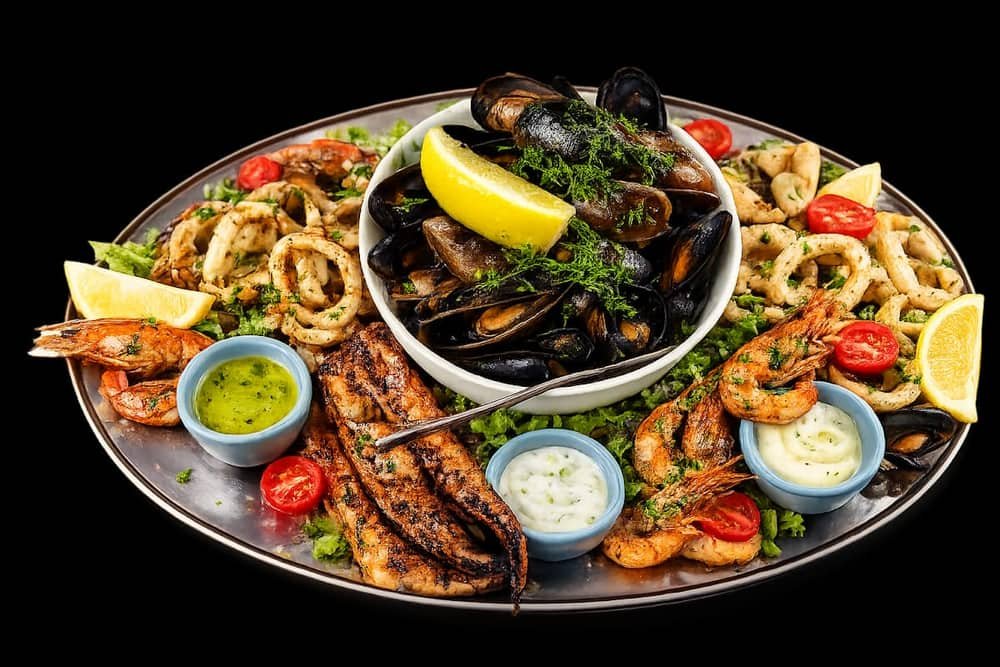
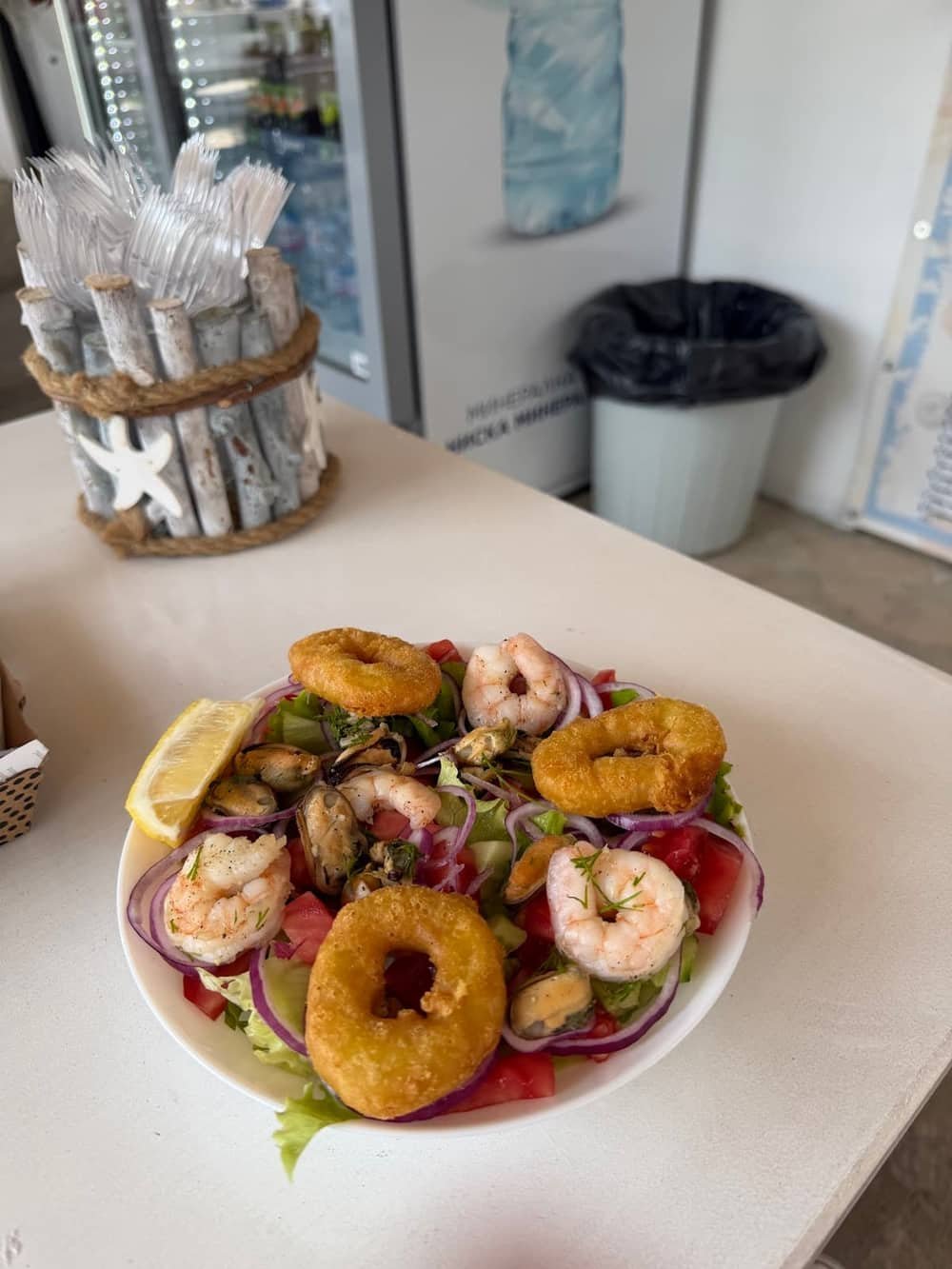
- Coast (Black Sea) — fresh fish at Nessebar, Sozopol, Pomorie and Varna: tsatsa (fried sprats), mussels, rapana (sea snails). Ask for the catch of the day.
- Rhodopes (Pamporovo, the southern villages) — mountain cooking: patatnik (potato cake), klin, cheverme, sheep's cheeses.
- Thrace (Plovdiv, the Rose Valley/Kazanlak) — abundant vegetables, Mavrud, rose-petal jam.
- Central (Veliko Tarnovo, Troyan) — plums and Troyan rakia, hearty stews.
- Sofia and the northwest (Belogradchik) — classic shopska cooking, beans, pastries.
Practical travel tips
- Paying — Bulgaria has switched to the euro; the lev still circulates in parallel during the transition, so you may get change in both. Cards are widely accepted in cities and resorts; keep cash for small villages.
- The border — Romania and Bulgaria are both in Schengen: there is no passport or ID control at the RO–BG land border. You can cross straight to dinner in Veliko Tarnovo or Plovdiv.
- Driving — Bulgarian roads require a mandatory electronic vignette (bought online or at fuel stations). Fuel costs around 2 euro per litre (petrol and diesel, indicative).
- Hours — many mehanas serve a late lunch and a long dinner; book in season, especially in the mountains and old towns.
- For vegetarians — salads, baked sirene, roasted peppers, beans, banitsa and vegetable gyuvech make a full meal without meat.
Bulgaria does not rush its meals, and neither should you. Order several small dishes, let the rakia open the evening, ask for the house recommendation, and accept the second helping of banitsa. This is a cuisine that rewards curiosity and hunger in equal measure.
FAQ
What is shopska salad? Shopska salad is the near-national dish: tomatoes, cucumbers, peppers, onion and a snowfall of grated sirene on top, dressed with oil. Its red-white-green colours echo the Bulgarian flag, and its freshness makes it the default starter, especially in summer on the coast.
What is the mehana experience? The mehana is the traditional tavern where food arrives in waves: first cold meze with rakia, then the hot dishes, at a deliberately slow pace. Order meze to share, confirm whether bread and water are included, and a tip of around 10% is customary (indicative).
Which traditional drinks should I try? Rakia is the national spirit, a strong grape or plum distillate sipped slowly at the start of the meal with meze, never knocked back. Look too for native wines like Mavrud from the Plovdiv area or the thick red of Melnik, plus salted ayran alongside grilled meat.
Are there options for vegetarians? Yes — salads, baked sirene, roasted peppers, beans, banitsa and vegetable gyuvech make a full meal without meat. Bulgaria has switched to the euro, and cards are widely accepted in cities and resorts, but keep some cash for small villages.