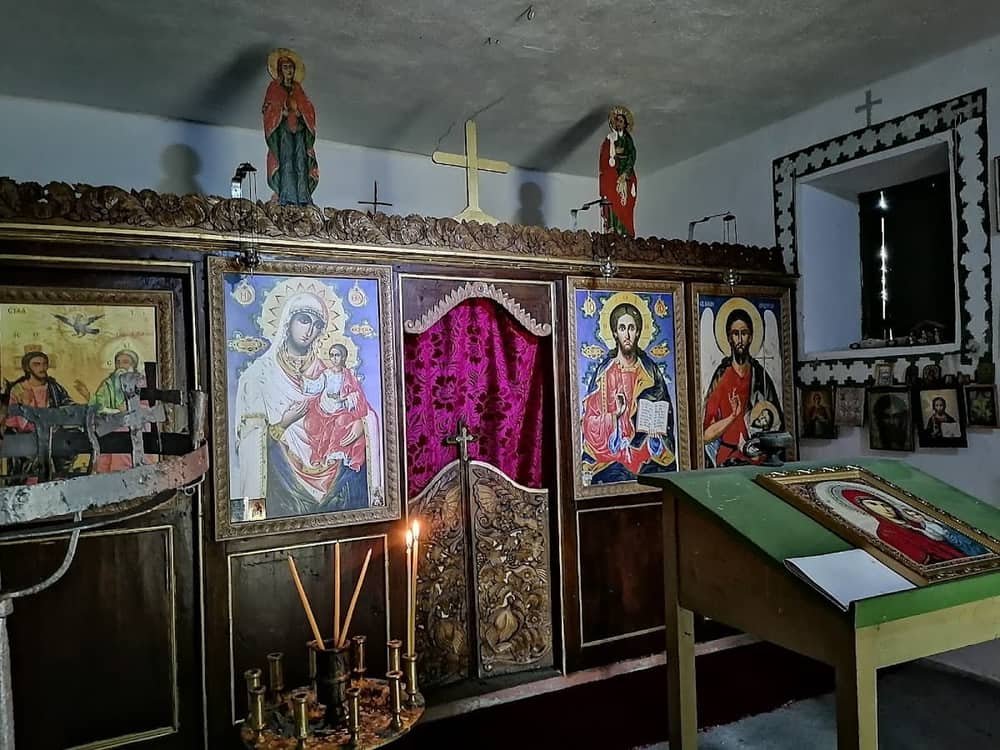
Why a monastery tour
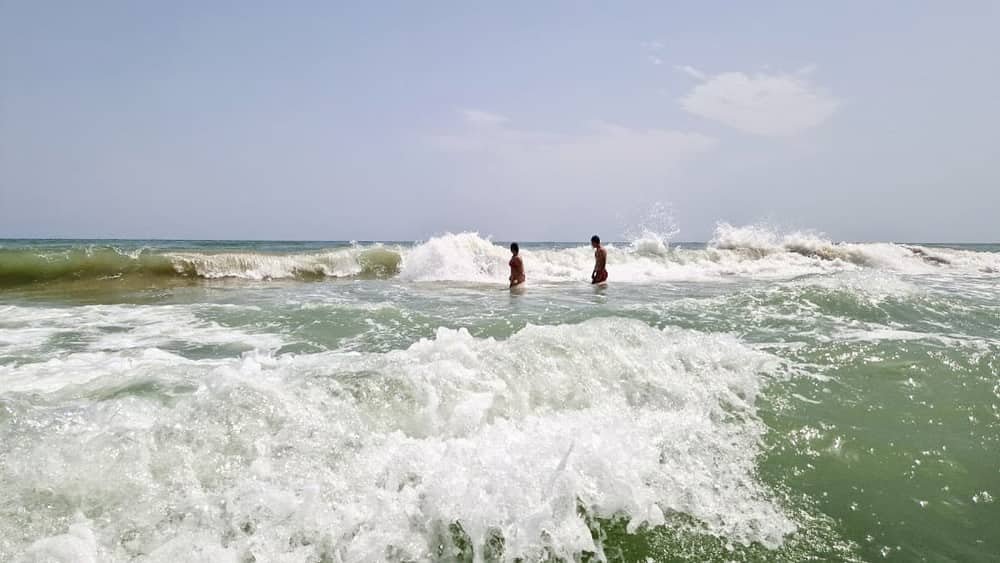
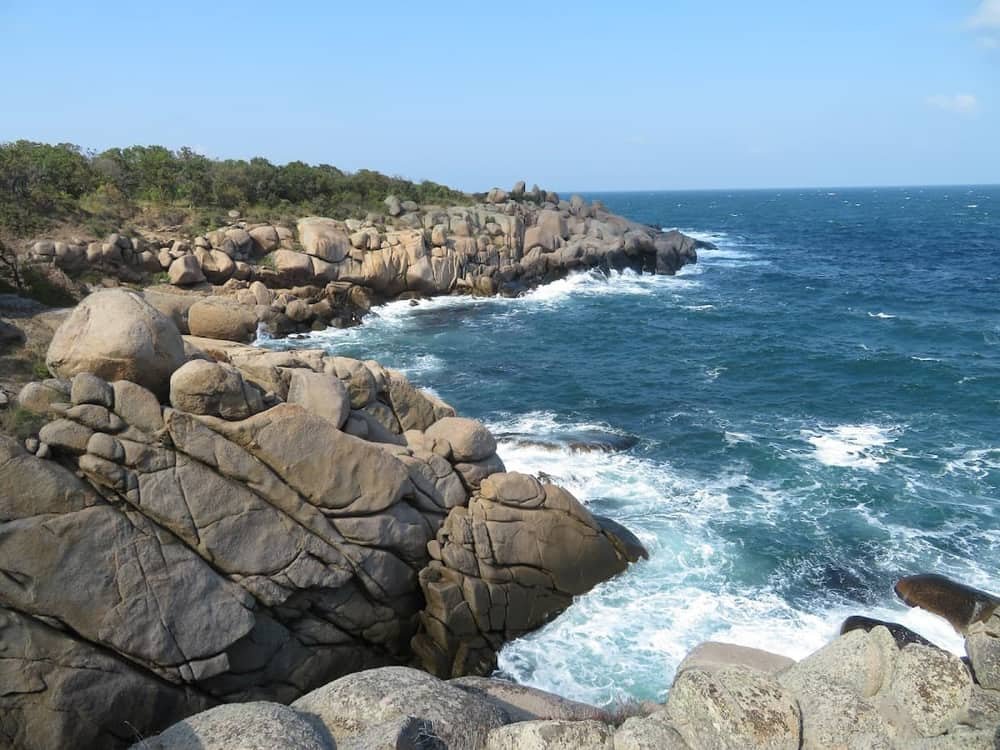
Bulgaria does not read correctly from the beach alone. Beyond the coastline of Sunny Beach or Golden Sands, in shaded valleys and on mountain ridges, the country keeps a network of monasteries that kept its language, script and national memory alive through five centuries of Ottoman rule. Visiting them one by one, by car, is one of the quietest and richest ways to understand the deeper Bulgaria — the one that never makes it into the brochures.
This route links four landmark monasteries — Rila, Bachkovo, Troyan and Rozhen — plus a few smaller stops worth the detour. It fits comfortably into 3-4 days, starting and ending in Sofia, but works equally well as a loop carved out of a longer holiday. It is not a race: the point is to reach each place early or towards evening, when the coaches have left and the courtyards fall silent again.
Before you set off
- The border and documents. Romania and Bulgaria are both in Schengen, so crossing at Giurgiu-Ruse, Calafat-Vidin or Vama Veche-Durankulak happens with no passport or ID check. You pass through as if between two counties. Still, carry your ID.
- The electronic vignette. To drive on Bulgarian national roads and motorways you are required to have an electronic vignette (e-vignette). Buy it online or at a petrol station just before the border; it is tied to your number plate and needs no windscreen sticker. Take at least the weekly option — this route covers real distances.
- Currency. Bulgaria has adopted the euro; during the transition the lev still circulates in parallel, so you may get change in either currency. At monasteries, candles, the shop counter and donations are often cash only — carry small notes.
- Fuel. Budget roughly 2 euro per litre (petrol or diesel, indicative). Distances between monasteries are modest, but mountain roads burn more.
Day 1 — Rila Monastery, the spiritual heart
About two hours' drive south of Sofia, hidden in a forested valley of the Rila mountains, stands the country's largest and most revered monastery. Founded in the 10th century around the hermitage of Saint John of Rila, Bulgaria's spiritual patron, it was rebuilt in its present form in the 19th century, at the height of the Bulgarian National Revival.
What strikes you first is the courtyard: tiered galleries painted in black-and-white stripes, red arches and a central church frescoed from the ground up to beneath its domes. There are hundreds of scenes — the Last Judgement, the aerial tollhouses, the lives of the saints — painted with an intensity that stops you where you stand.
What to see at Rila
- The Church of the Nativity of the Virgin, with its outer frescoes and a gilded iconostasis carved in painstaking detail.
- Hrelyu's Tower (14th century), the only surviving building of the medieval monastery, plainer and older than everything around it.
- The monastery museum, home to Rafail's Cross — a wooden cross bearing hundreds of tiny biblical scenes, carved with a needle by a single monk until he went blind.
- The old kitchen, with its vast chimney blackened by centuries of smoke.
If you have time and good weather, a short drive takes you to the cave and tomb of Saint John, a few kilometres upstream — an easy walk through the woods, far quieter than the main courtyard.
Where to stay: the monastery cells are rented out for simple, austere but unforgettable lodging — you wake to the sound of the wooden semantron. Alternatively, the hotels and guesthouses nearby, along the road to the village, offer more modern comfort. The mountain resort of Borovets and the town of Bansko are within reasonable reach if you want a livelier base.
Day 2 — Bachkovo Monastery and the road to Plovdiv
On the second day you descend south-east towards the Rhodope mountains. Just half an hour from Plovdiv, in the valley of the Chepelare river, Bachkovo Monastery awaits — Bulgaria's second largest and most important, founded in 1083 by two brothers of Georgian-Byzantine origin.
Bachkovo feels entirely different from Rila: more intimate, warmer, with a courtyard full of vines and shade. Here you sense the blend of traditions — Bulgarian, Georgian, Byzantine — that made this a spiritual meeting point for nearly a thousand years.
What to see at Bachkovo
- The miracle-working icon of the Virgin Mary, one of the most venerated in the Balkans, drawing huge pilgrimages at Easter and on feast days.
- The ossuary (kostnitsa), a short walk from the monastery — the only surviving building of the medieval foundation, with rare 11th-12th century frescoes.
- The refectory (trapeza), its walls covered in frescoes, among them a famous procession of the icon.
- The outer courtyard, where stalls sell mountain honey, preserves and local cheeses.
The monastery also makes an excellent springboard for an evening in Plovdiv — one of Europe's oldest continuously inhabited cities, with its cobbled Old Town, Revival-era houses and a Roman amphitheatre still in use.
Where to stay: Plovdiv offers the best range of lodging on the whole route, from boutique hotels in the Old Town to charming guesthouses. If you prefer quiet, the villages around the monastery have modest guesthouses.
Day 3 — North to Troyan Monastery
Now the route climbs towards the Balkan range (Stara Planina), the country's geographic heart. The road north from Plovdiv runs past the Rose Valley and Kazanlak — if you time it for late May or early June, the Damask rose fields are in bloom and the air smells of rose oil. It is worth a short stop.
Troyan Monastery, Bulgaria's third largest, sits in the valley of the Cherni Osam river, ringed by dense forest. Its fame rests on the frescoes painted by Zahari Zograf, the greatest painter of the National Revival, who worked here around 1847-1849.
What to see at Troyan
- Zahari Zograf's frescoes, both inside and on the outer walls — among them a self-portrait of the painter, a rare and moving detail.
- The miracle-working Three-Handed icon of the Virgin Mary, brought from Mount Athos.
- The atmosphere of the courtyard, less visited than Rila or Bachkovo and so often almost deserted.
In the town of Troyan, a few kilometres away, you will find something not to miss: the tradition of Troyan pottery, with its signature dripping-droplet pattern, and the local plum rakia, among the most prized in Bulgaria. A regional crafts museum explains both well.
Where to stay: the town of Troyan and the surrounding villages have welcoming mountain guesthouses, many with traditional kitchens. It is also a good base for a short detour to the Krushuna Falls to the east, or to Veliko Tarnovo and the Tsarevets fortress if you want to extend the tour.
Day 4 (optional) — Rozhen Monastery and the south
If you have four days and start or end from the south, Rozhen Monastery richly rewards the detour. Set in the Pirin mountains beside the museum-town of Melnik (Bulgaria's smallest town, famed for its dense red wine), Rozhen is the largest monastery in the south-west and one of the few medieval ones preserved.
What to see at Rozhen
- The frescoes and stained glass of the central church, unusual for an Orthodox monastery.
- The carved iconostasis and old icons.
- The view over the Melnik sand pyramids — spectacular geological formations that surround the monastery.
Pair the visit with a tasting in Melnik's rock-cut cellars and you have one of the finest days on the entire route.
Visiting etiquette — how to behave at a monastery
Monasteries are living places of worship, not museums. A few simple rules make for a respectful visit:
- Dress. Shoulders and knees covered, for women and men alike. Women may be asked to cover their hair inside the church; scarves are sometimes available at the entrance.
- Silence. Speak in a whisper, especially inside the church. Silence your phone.
- Photography. The courtyard is usually fine; inside the churches, photographing frescoes and icons is often forbidden or charged. Respect the signs and never use flash.
- Services. If you arrive during a service, you may stay discreetly at the back, but do not cross the church or take photographs.
- Local gestures. Do not touch the icons unless you mean to kiss them, as the faithful do. Candles are lit in two distinct places: for the living (above) and for the departed (below).
- Opening hours. Many monasteries close at midday and early evening. Check the times as a rough guide and plan a morning arrival.
Practical driving tips
- A car is essential. Public transport reaches the monasteries with difficulty; a rental from Sofia or Plovdiv gives you the freedom to arrive early and leave late.
- Mountain roads are generally good but narrow and winding near the monasteries. Drive defensively and avoid mountain stretches in fog or after dark.
- Season. Late spring and early autumn are ideal: greenery, soft light, fewer visitors. In summer the courtyards crowd up at midday — arrive early.
- Food. Many monasteries have small taverns or stalls at the gate selling mekitsi (fried dough), honey and mountain teas. Take advantage — they are among the most authentic snacks in Bulgaria.
A monastery tour is measured not in kilometres but in silence gathered along the way. You leave the coast behind and find the other Bulgaria — the one that wrote, painted and prayed in hidden valleys, and that still receives you today with the same dignified quiet.
FAQ
Which monasteries does the tour cover and how long does it take? The route links four landmark monasteries — Rila, Bachkovo, Troyan and Rozhen (optional, in the south beside Melnik) — plus smaller stops. It fits comfortably into 3-4 days starting and ending in Sofia, or as a loop within a longer holiday.
Do I need a car for the monastery tour? Yes, a car is practically essential: public transport reaches the monasteries with difficulty, while a rental from Sofia or Plovdiv lets you arrive early and leave late. An electronic vignette is mandatory — take at least the weekly option, as the route covers real distances.
How should I dress and behave at a monastery? Shoulders and knees covered, for women and men alike; women may be asked to cover their hair inside the church. Speak in a whisper and silence your phone. Inside the churches, photographing frescoes and icons is often forbidden or charged — respect the signs and never use flash.
What shouldn't I miss at Rila? The courtyard of black-and-white striped galleries and the fresco-covered church, the 14th-century Hrelyu's Tower (the only surviving medieval building), the museum with Rafail's Cross — carved with a needle by a single monk until he went blind — and the old kitchen with its vast chimney. The cells are rented out for simple lodging.