Why a wide loop, not a straight line
Bulgaria fits into a single long holiday — but not as a motorway dash. It works best as a patient loop linking the capital, the museum-city of Plovdiv, a mountain monastery, the old medieval capital, the ridges of the Rila range and a generous stretch of Black Sea coast. For travellers coming from Romania, the headline news is simple: Romania and Bulgaria are both in Schengen now, so crossing at Giurgiu–Ruse, Calafat–Vidin or Vama Veche–Durankulak means no passport or ID checks at all. You cross as if moving between two counties. Since 2025, Bulgaria's currency is the euro — the lev still circulates alongside it during the transition, but prices are increasingly shown in euros already.
This itinerary is built as a 10-day route that stretches comfortably to 14, depending on how much beach and mountain time you want. All distances and times below are orientative — they depend on the road, the season and how often you stop for coffee or a view.
Before you set off: vignette, fuel, money
- An electronic vignette is mandatory on Bulgaria's expressways and motorways. You buy it online or at filling stations and it is tied to your number plate — there is no windscreen sticker anymore. Buy one for your whole stay on day one; enforcement is done with cameras.
- Fuel costs, indicatively, around 2 euro per litre (both petrol and diesel). Filling up is easy along the main corridors; stations thin out in the mountains, so don't let the tank drop below a quarter as you climb toward Rila or the Rhodopes.
- Money: cards work almost everywhere in cities and on the coast, but always carry some cash (euros) for markets, monasteries, small car parks and mountain villages.
- The road: the Trakia motorway links Sofia to the coast via Plovdiv and Stara Zagora — the spine of any tour. Mountain roads are narrow and winding; drive defensively and avoid climbs after dark.
Day 1 — Sofia, the capital under the mountain
You enter Bulgaria relaxed and arrive in Sofia, a city that stacks layers of history on top of one another: Roman ruins lit up right beneath the metro stations, medieval churches, socialist-era facades and modern cafés. Leave the car at the hotel and walk.
- The Alexander Nevsky Cathedral, with its gilded domes, is the city's visual signature.
- The Sveti Georgi Rotunda, hidden in an inner courtyard, is the oldest building in Sofia.
- The yellow-paved boulevard, the former royal palace and the central squares are an easy afternoon on foot.
Sofia sits at the foot of Mount Vitosha, so greenery and mountain air are minutes from the centre. The first evening is made for a long dinner and a glass of local wine.
Day 2 — Rila Monastery and, if you can, the Seven Lakes
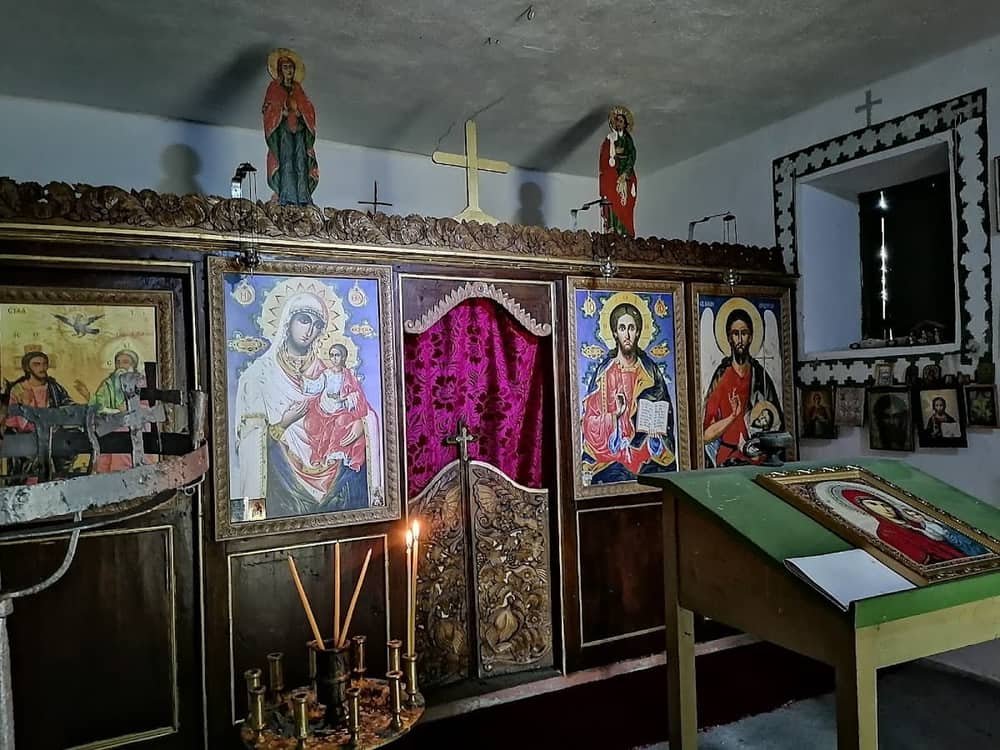
About two hours from Sofia, tucked into a forested valley, waits the Rila Monastery — the spiritual heart of Bulgaria and the country's best-known monument. The painted arcades, the black-and-white striped courtyard and the ring of mountains around it make it overwhelming even for seasoned monastery-goers. Arrive early, before the coaches.
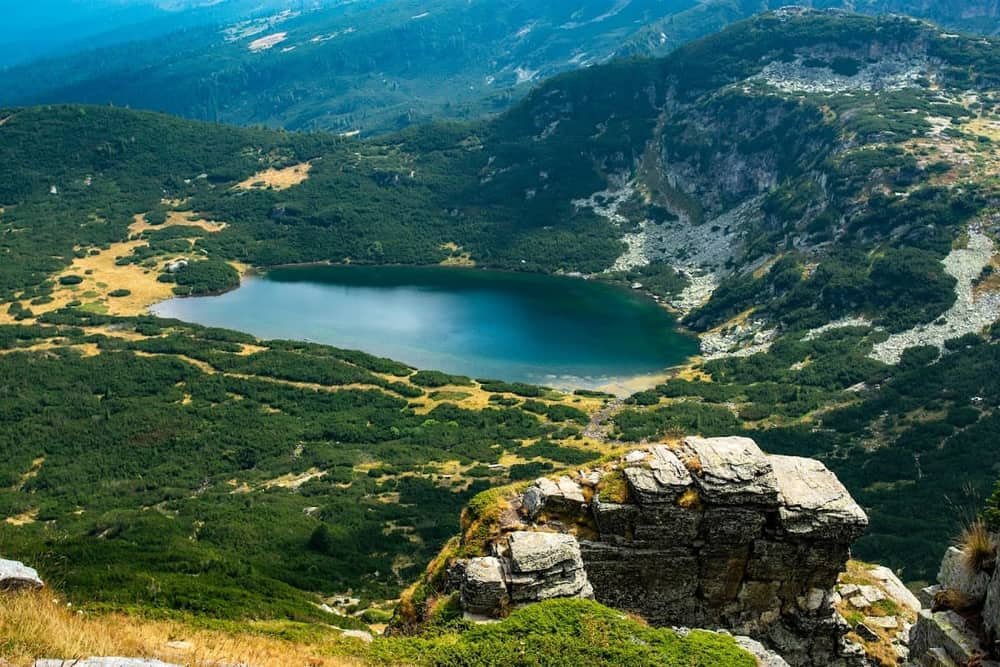
If you are fit and the weather holds, you can pair the day with the Seven Rila Lakes (Sedemte ezera) — a high glacial plateau reached by chairlift and then on foot. The hike needs proper footwear and stamina; it is a full day in itself, so move it to a separate day if you are stretching your trip toward 14 days.
Day 3 — Plovdiv, the oldest inhabited city in Europe
You drop down to Plovdiv, roughly a quarter of a day's drive from the Rila area by motorway. With no marketing effort at all, Plovdiv is one of the loveliest cities in the Balkans:
- The Old Town climbs the hills with vividly painted merchant houses from the Bulgarian Revival, their upper floors leaning out over cobbled lanes.
- The Roman amphitheatre, still used for concerts, offers one of the most spectacular urban views in the country.
- The Kapana district ("the trap") — a maze of little streets full of studios, cafés and bars — is the place to be after dark.
Plovdiv deserves a night and, ideally, a slow morning.
Day 4 — The Valley of the Roses and the road north
Head north on a route that crosses the Valley of the Roses, around the town of Kazanlak. If you catch late May to early June, the Damask rose fields are in bloom and the air smells of rose oil; the rest of the year you can visit the distillery museums and Kazanlak's painted Thracian tomb (a UNESCO site).
From here you climb over the Balkan range (Stara Planina) toward the north. Optionally, detour via Troyan and its monastery, one of the largest in the country, hidden in a landscape of wooded hills. Overnight somewhere on the way to Veliko Tarnovo.
Day 5 — Veliko Tarnovo, capital of the tsars
Veliko Tarnovo is Bulgaria's most dramatic town: houses clinging to cliffs above a loop of the Yantra river, with the Tsarevets fortress dominating everything from its hill. It was the capital of the Second Bulgarian Empire and still feels regal.
- Climb up into Tsarevets to the church on the summit, with its bold modern frescoes.
- The craftsmen's street (Samovodska charshia) is lined with ceramics, copper and textile workshops.
- The museum-village of Arbanasi, a few kilometres away, has fortress-houses and churches with overwhelmingly painted interiors.
Nearby, if you have time, the Krushuna Falls make a cool stop, with travertine terraces and turquoise water.
Days 6–7 — Dropping down to the Black Sea
From Veliko Tarnovo you descend to the coast in about half a day. There are two good gateways to the seaside:
- Varna, the "maritime capital", with its vast Sea Garden, Roman baths and a lively centre. North of it run the resorts of Golden Sands and Albena, with wide beaches and all-inclusive hotels.
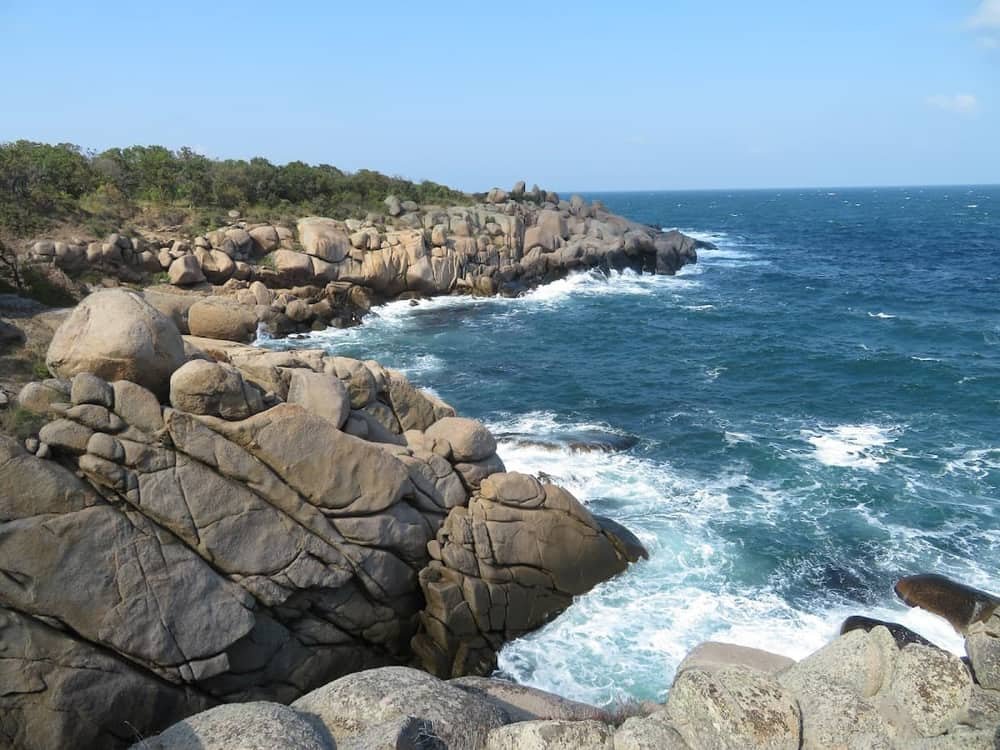
- Burgas, further south, is the ideal base for the most beautiful stretch of coastline.
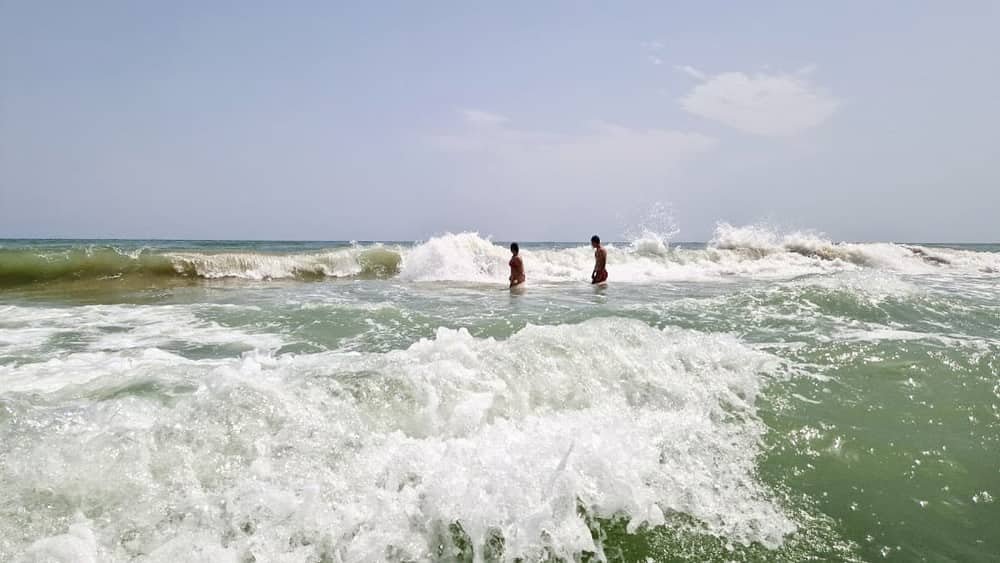
Choose your coast by style: the north (Golden Sands, Albena, Sveti Vlas) leans toward resorts and families; the centre, around Sunny Beach (Slanchev Bryag), is energetic and loud.
Days 8–9 — The jewels of the coast: Nessebar, Sozopol, Pomorie
The southern coast concentrates the most beautiful port towns:
- Nessebar — a museum-peninsula (UNESCO) of ruined Byzantine churches and wooden fishermen's houses, practically glued to Sunny Beach.
- Sozopol — Nessebar's quieter, more bohemian sister, with an old town of stone and timber, fine beaches and an artists' atmosphere.
- Pomorie — known for its salt lake and therapeutic mud, plus traditional salt pans.
Alternate beach days with evening strolls along the cobbled streets. On a 14-day trip, this is where you add the extra 2–3 days of pure rest.
Days 10–12 — The return through the mountains (the long version)
If you have the full 14 days, don't drive back the same way. Climb inland again and spend a few days in the Rhodope Mountains, Bulgaria's gentlest and most authentic mountain region:
- Bansko, at the foot of the Pirin range, is the winter ski capital and an excellent summer hiking base, with an old town of stone.
- Pamporovo, in the heart of the Rhodopes, is ringed by spruce forests and villages with traditional architecture.
- Melnik, Bulgaria's smallest town, is spectacular: white houses beneath sand pyramids, cellars cut into the rock and a thick, local red wine.
- Near Pamporovo, the Rozhen Monastery and the village of Shiroka Laka are worth a detour.
For skiers, Borovets, at the foot of Rila, is the country's oldest mountain resort.
The short version, 10 days
If you have exactly 10 days: Sofia (1) → Rila (1) → Plovdiv (1) → Veliko Tarnovo via the Valley of the Roses (2) → coast, Burgas + Nessebar + Sozopol (3) → straight back to the border via the Trakia motorway (2). Compact, but complete.
Final tips
- Season: June and September are ideal — warm sea, without the July–August crowds. For mountains and monasteries, May–June and September–October have the best light.
- Accommodation: book ahead in high season on the central coast; inland you'll easily find guesthouses and family hotels.
- Food: seek out a *mehana* (traditional tavern) for shopska salad, kavarma, banitsa and house wine; on the coast, fresh fish.
- Pace: resist the urge to tick everything off. Bulgaria reveals itself to those who stop — at a monastery, on a terrace, at a view halfway up a mountain road.
All distances and prices above are orientative and may change with season, route and operator; check current details before you travel.
FAQ
How many days do I need for a full tour? The itinerary is built as a 10-day route that stretches comfortably to 14, depending on how much beach and mountain time you want. The short version links Sofia, Rila, Plovdiv, Veliko Tarnovo via the Valley of the Roses and the coast, returning on the Trakia motorway.
Why a loop rather than a straight line? Bulgaria reveals itself best through a patient loop linking the capital, Plovdiv, Rila Monastery, Veliko Tarnovo, the Rila ridges and the coast. The Trakia motorway, connecting Sofia to the coast via Plovdiv and Stara Zagora, is the spine of the route.
What should I prepare for the drive before setting off? Buy an electronic vignette for your whole stay on day one, since enforcement is by camera. Fuel is around 2 euro per litre (indicative); don't let the tank drop below a quarter climbing toward Rila or the Rhodopes, and keep some euro cash for monasteries and small car parks.
What's the best season for this itinerary? June and September are ideal — warm sea, without the July–August crowds. For mountains and monasteries, May–June and September–October have the best light; book accommodation ahead in high season on the central coast.