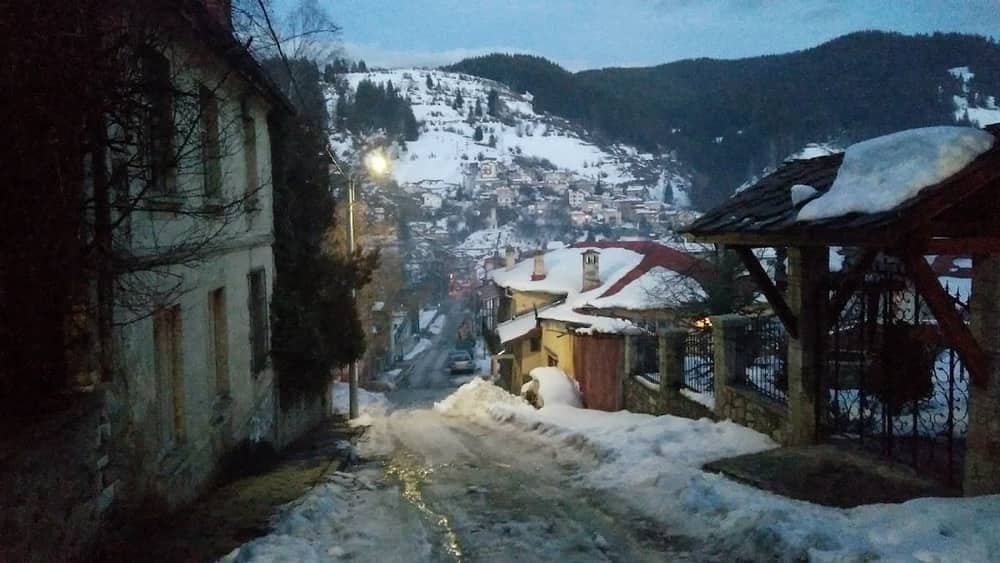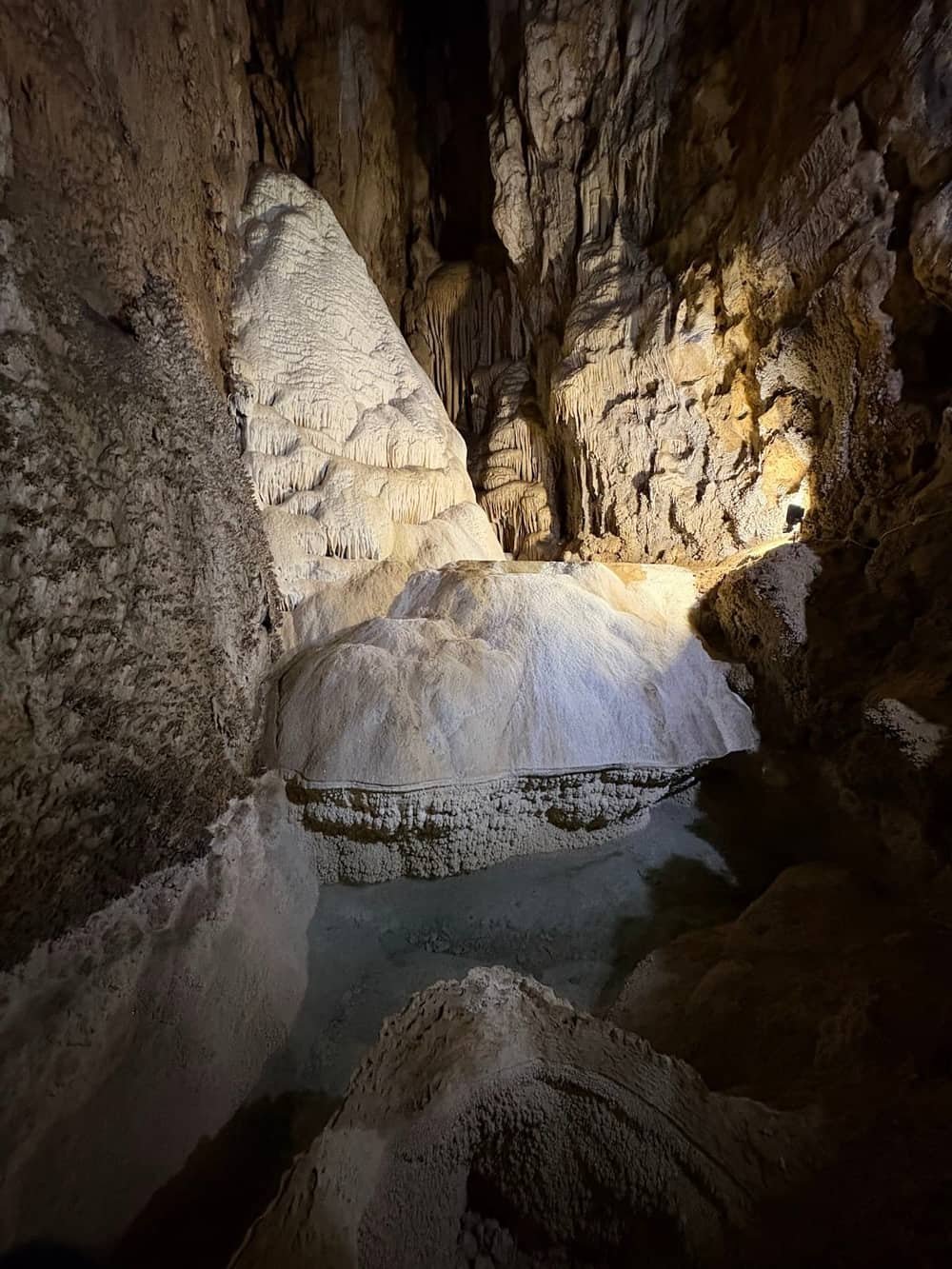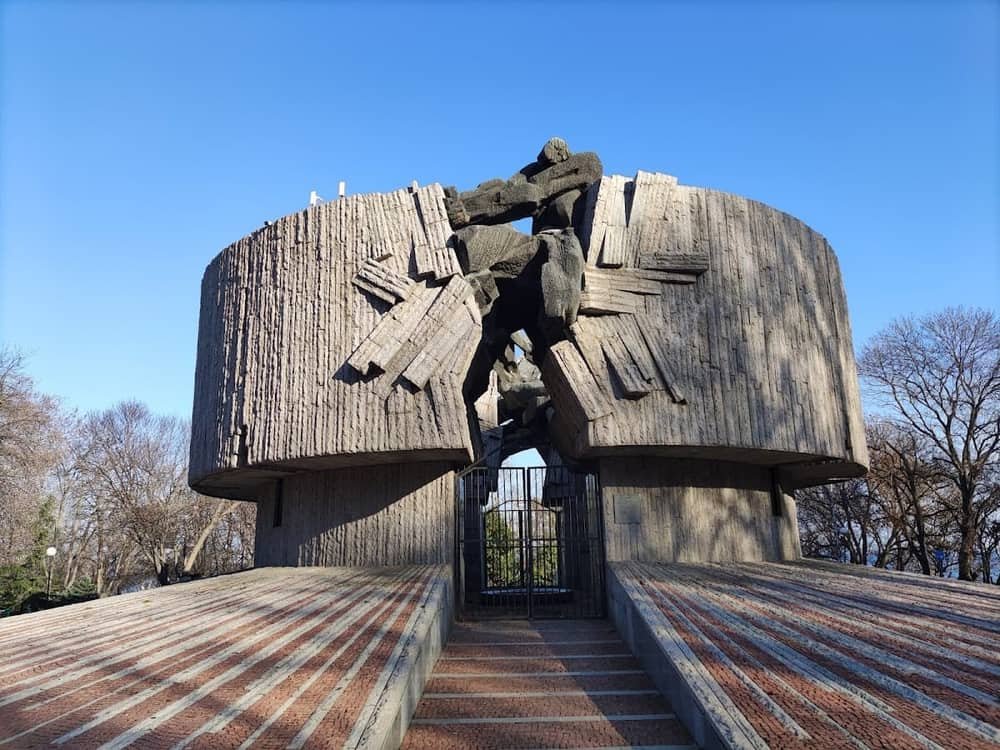
Bulgaria runs on a more generous calendar than most travellers expect. The same country hands you warm Black Sea beaches in summer, well-groomed pistes in the Pirin and Rila ranges in winter, and — between the two — two quiet shoulder seasons when the cities and mountains are calm, affordable and photogenic. The question isn't whether to go, but which version of Bulgaria you're after. This guide walks through it month by month, with the focus on real weather, crowds and value.
Before any planning, two practical things that have recently changed and that make the trip easier. Romania and Bulgaria are both in the Schengen Area, so crossing the land border between them means no passport or ID checks — you essentially drive across as if between two counties. And Bulgaria's currency is now the euro; the lev still circulates alongside it during the transition, so you may get change in either, but prices are increasingly shown in euros.
At a glance: which month, for what
- Beach on the coast: May–September, peaking in July–August.
- Skiing in the mountains: December–April, with the most reliable snow in January–February.
- Cities and culture (Sofia, Plovdiv, Veliko Tarnovo): April–June and September–October.
- Nature and hiking (Seven Rila Lakes, Rozhen, Belogradchik): June–September.
- Rose Festival (Rose Valley, Kazanlak): early June.
Beach season: May–September
The Bulgarian coast — from Albena and Golden Sands in the north near Varna, down through Sunny Beach, Sveti Vlas, Nessebar, Pomorie, Burgas and Sozopol in the south — follows a clear rhythm.
- May belongs to the brave and the crowd-averse. The air is warm, the coastal towns burst into bloom, terraces open, but the sea is still cool (water barely above 18–20°C, indicative). It's perfect for long seafront walks, for seeing Nessebar without shoulder-to-shoulder tour groups, and for room rates well below peak.
- June is arguably the most balanced beach month: long days, water warming noticeably, resorts lively but not suffocating. Families with small children love the calm shallows of the bays at Albena and Sozopol.
- July and August are the apex — near-guaranteed sun, warm water (around 24–26°C, indicative), nightlife at full tilt in Sunny Beach. They're also the priciest months, with the fullest beaches and the busiest weekend roads. Book ahead and consider quieter bases (Sveti Vlas, Pomorie, the wilder south near Sozopol) if you want room to breathe.
- September is the coast's worst-kept secret. The sea stays warm after a whole summer of heating, the crowds thin out after 1 September, prices fall, and the light turns golden. For couples and anyone without school-age kids, it may be the best month on the coast.
A regional note: the north (Varna, Golden Sands, Albena) tends to be a touch gentler and greener; the south (Burgas, Sozopol) is hotter, drier and more bohemian. A north-easterly wind can cool the evenings even in high August, so a thin layer always earns its place in the bag.
Ski season: December–April
Bulgaria's mountains are more serious than their reputation suggests. The three big names are Bansko (beneath the dramatic peaks of the Pirin massif), Borovets (the oldest resort, in Rila, close to Sofia) and Pamporovo (the most southerly and gentle, in the Rhodopes, great for beginners).
- December brings the season opening and a festive buzz, though low-altitude snow can be fickle early in the month. Towards Christmas and New Year the resorts fill and prices climb noticeably.
- January and February are the heart of the season: the most reliable snow, the deepest base, cold clear days. This is the sweet spot for skiers who want firm conditions — and also the peak of prices and weekend and holiday crowds.
- March is often the insiders' reward: longer days, generous sun, snow still good at altitude, and a relaxed spring-skiing mood as prices begin to ease.
- April closes the season. At altitude, Bansko usually holds on longest, but the snow softens and varies a lot year to year — check piste conditions beforehand (figures vary by season).
Beyond the slopes, winter in the mountains also means villages with thermal springs, mehana (traditional taverns) serving hearty food, and the option of a day at Rila Monastery, spectacular under snow and within easy reach of Borovets.
Shoulder seasons: cities and nature without the crowds
This, to my mind, is where the best Bulgaria hides. Spring (April–June) and autumn (September–October) are ideal for the interior: neither summer's heat nor winter's cold, reasonable prices, and places that can breathe.
- Cities: Sofia with its mountains on the city edge, Plovdiv with its cobbled Old Town and the Kapana arts quarter, Veliko Tarnovo perched above the Yantra river with the Tsarevets fortress — all are at their best when the weather is mild and terraces are open, but the summer wave hasn't hit.
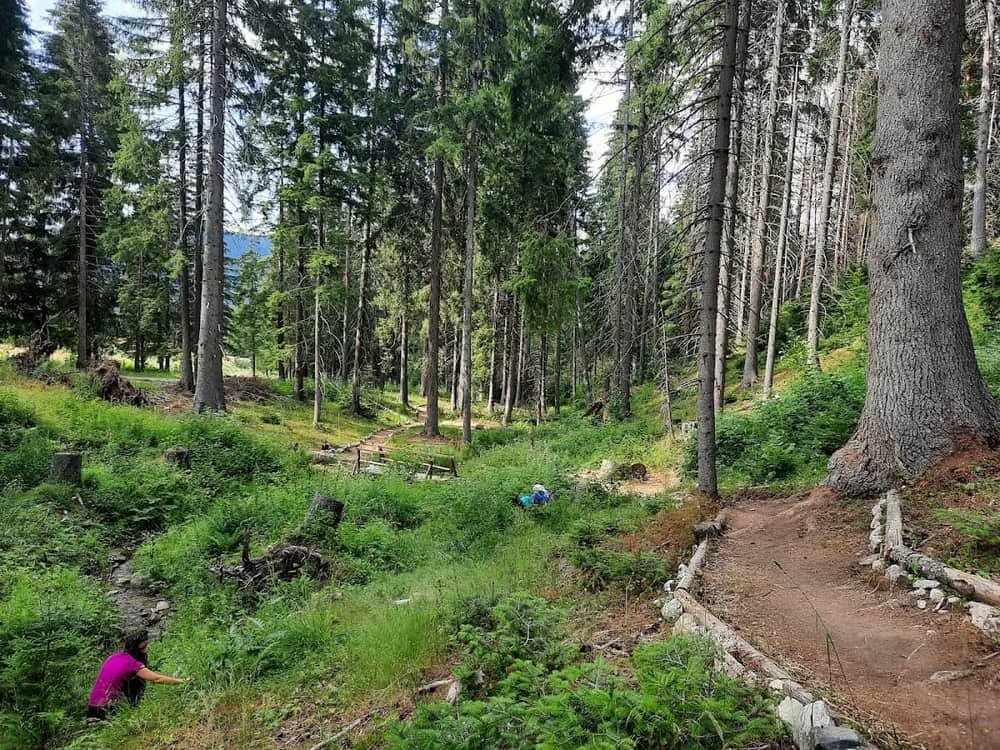
- Nature: the hike up to the Seven Rila Lakes realistically opens from June, once the high snow recedes, and stays superb into September. Belogradchik with its red rock formations, the Krushuna Falls, the Rozhen observatory and Bachkovo monastery are magnificent in autumn light.
- Wine and villages: Melnik, the country's smallest town, with its sand pyramids and big red wines, is a delight in September–October at harvest. So is the Troyan area in the Central Balkans, with its ceramics and plums.
Autumn has a bonus: the colours of the Rhodope and Balkan forests and the harvests filling the markets. Spring has a different bonus — one with a fixed date in the calendar.
The Rose Festival: early June
If there's a single event worth planning a trip around, it's the Rose Festival in the Rose Valley, around the town of Kazanlak. Bulgaria is one of the world's major producers of rose oil, and the harvest peaks in early June (traditionally the first weekend, though the date varies year to year — check the official programme).
This is when the ritual dawn rose-picking takes place, along with parades, the crowning of the Rose Queen and distillation demonstrations. It's a rare sensory experience — whole fields of fragrant pink — and pairs perfectly with a tour of the Valley of the Thracian Kings, with its tombs and burial mounds near Kazanlak. Accommodation fills fast that weekend, so book well ahead.
Crowds and prices, honestly
- Priciest and busiest: July–August on the coast; the winter holidays and January–February at the ski resorts.
- Best value: May and September at the sea; March for skiing; April–June and September–October for cities and nature.
- Quietest (and cheapest): November and early December, plus the first half of April — good interludes for cities, if you accept changeable weather.
Bulgaria remains, overall, more affordable than many Western European destinations, but the gap between peak and off-season can be significant on accommodation. The switch to the euro doesn't change the logic: plan around the season, not the currency.
Weather, region by region
- Black Sea coast: warm sunny summers, mild but damp winters. Breezes cool the evenings even in August. The north (Varna) runs slightly more temperate than the south (Burgas, Sozopol).
- The mountains (Rila, Pirin, Rhodopes): cold winters with solid snow at altitude, cool pleasant summers — the perfect escape from lowland heat. Up high, weather can turn quickly even in summer; pack in layers.
- The interior plains and cities (Sofia, Plovdiv, Veliko Tarnovo): continental climate — hot summers (Plovdiv is among the hottest places in the country) and cold winters. Sofia, sitting higher, runs a few degrees cooler year-round.
- The south-west (Melnik, the Struma valley): the country's most Mediterranean corner, warm and dry, with long mild autumns — ideal for wine.
On the road: what to know
- The RO–BG border: no passport or ID checks, as both countries are in Schengen. You cross with barely a pause.
- Mandatory vignette: to drive on Bulgarian roads you need an electronic vignette (e-vignette), bought online or at border points before you set off. Without it you risk a fine.
- Fuel: around 2 euro per litre for both petrol and diesel (indicative, variable). Distances are short — the coast is a few hours from the major cities — so a combined sea-plus-mountains-plus-city trip is entirely feasible by car.
- Currency: the euro, with the lev still circulating during the transition. Cards are widely accepted in cities and resorts; carry a little cash for villages and markets.
Whatever the month, Bulgaria rewards a little planning. Choose the season for what you're after — sun, snow, quiet or roses — and let the rest follow.
FAQ
Which is the best month for the beach on the Bulgarian coast? July and August are the peak, with near-guaranteed sun and water around 24–26°C (indicative), but also the highest prices and biggest crowds. September is the worst-kept secret: the sea stays warm, crowds thin after 1 September, and prices fall.
When is the snow most reliable for skiing? January and February are the heart of the season, with the deepest base at Bansko, Borovets and Pamporovo. March brings longer days and spring skiing as prices ease, while April closes the season, when Bansko usually holds on longest (figures vary by season).
When is the Rose Festival held? In early June, in the Rose Valley near Kazanlak, traditionally the first weekend, though the date varies year to year — check the official programme. Accommodation fills fast, so book well ahead.
Do I need documents at the Romania–Bulgaria border? Both countries are in Schengen, so there are no passport or ID checks at the land crossing. If you drive, you need a mandatory electronic vignette, and fuel costs around 2 euro per litre (indicative).