Why look past the beach
The Bulgarian coast — Sunny Beach, Golden Sands, Albena, Sveti Vlas — earns its place in any summer. But reducing Bulgaria to a strip of sand means missing the part that stays with you long after the last grains have shaken out of your bag. Two or three hours inland from the coast, mountain ranges keep their cool air even in July, glacial lakes hang above 2,000 metres, painted monasteries have run without interruption for centuries, and cities layer Thracian, Roman, Byzantine and Ottoman history onto the same street.
The good news for travellers from Romania: getting there has become remarkably simple. Romania and Bulgaria are now both inside Schengen, so the land border has no passport or ID control — you cross much as you would between two counties. Bulgaria has also adopted the euro, though the lev still circulates alongside it during the transition, so you will sometimes see prices shown in both currencies. Together, these two changes turn a combined sea-and-mountain trip into something you can arrange without paperwork.
This guide assumes you already have (or are planning) a few days on the coast and want to give them depth: to climb a ridge, cool off beside a waterfall, sleep a night in a museum-city. Every distance and duration below is indicative — check it before you travel, especially opening hours and prices, which shift from one season to the next.
On the road: what to know before you go
- The border: no identity check on the overland RO–BG route thanks to Schengen. Still carry your ID — it is useful for accommodation and routine checks.
- Electronic vignette: on Bulgaria's motorways and national roads a mandatory electronic vignette is required. You buy it online or at filling stations and terminals, and it is tied to your number plate — there is no windscreen sticker any more. Buy it before you reach the tolled roads.
- Fuel: prices hover around 2 euros per litre for both petrol and diesel (indicative, and variable). Stations are frequent on the main corridors and sparser in the mountains — fill up before the switchbacks.
- Mountain roads: routes to lakes and monasteries bring narrow hairpins and occasionally tired asphalt. Start early, avoid descending in the dark, and build in buffer time.
- Paying: cards work almost everywhere in cities and resorts, but carry some cash for villages, monasteries, small car parks and cable-car transport.
The mountains that cool you down: Rila, Pirin and the Rhodopes
When the coast climbs past 30 degrees, Bulgaria's mountainous interior becomes the natural refuge. Three massifs deserve your attention.
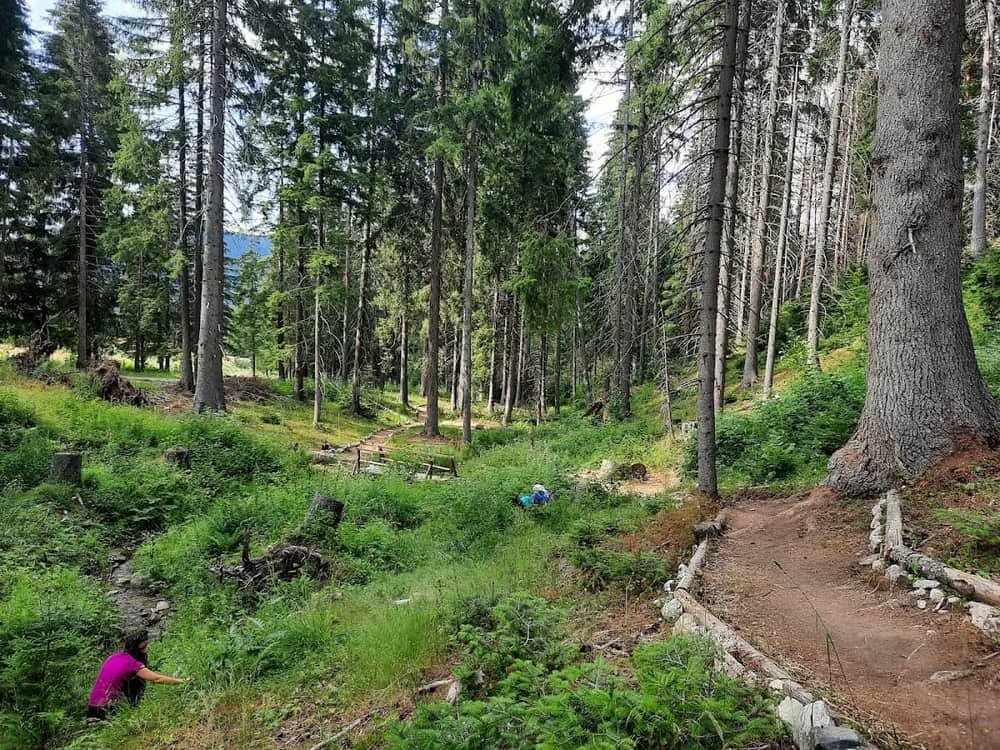
Rila is the highest range in the Balkan Peninsula, its Musala peak topping 2,900 metres. Here the air stays cool even at the height of summer, and the alpine scenery — meadows, dwarf pine, lakes — feels lifted from the Alps, with far smaller crowds.
Pirin, around the resort of Bansko, offers craggier ridges, pine forest and dramatic valleys. Bansko, known in winter as a ski destination, has a second life in summer: a launch point for hiking, with a stone old town and traditional taverns where you eat seriously after a day on the trail.
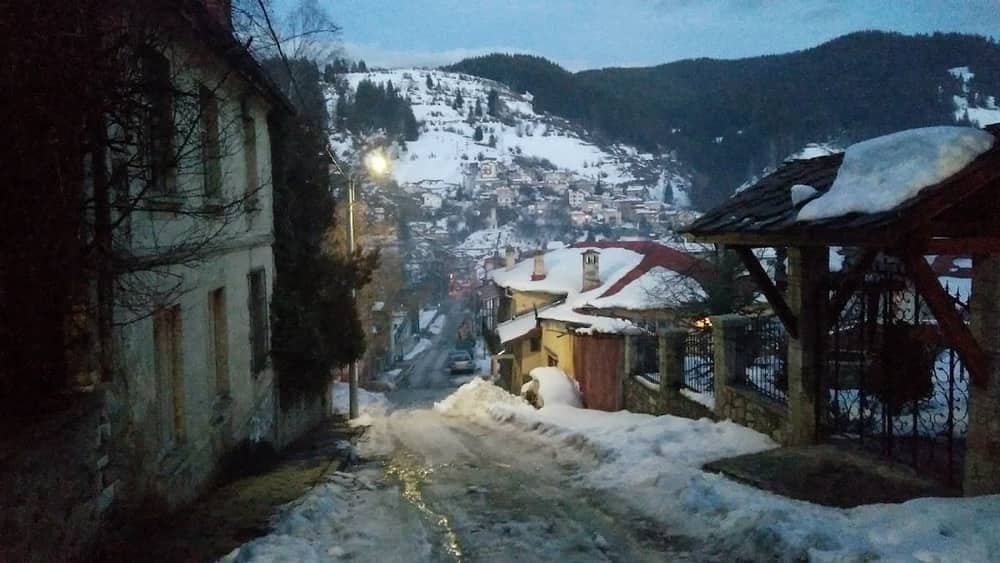
The Rhodopes, gentler and more wooded, roll south around the resort of Pamporovo. These are the mountains of scattered villages, folk song and legend — a softer landscape, ideal for anyone who wants nature without extreme alpine effort.
For a quick escape close to Sofia, Borovets remains the most accessible mountain gateway, with a gondola and trails climbing toward the Rila ridge.
The Seven Rila Lakes
If you make a single mountain trip in Bulgaria, make it this one. The Seven Rila Lakes (Sedemte Rilski Ezera) are a string of glacial lakes terraced down a slope, each with its own character and descriptive name — the Tear, the clearest; the Eye, the deepest; the Kidney, with its steep banks. A chairlift carries you up much of the height gain, then a well-marked path links the lakes, with a panoramic viewpoint up top from which you see them all at once.
- When: late summer (from June into September) is the safe window; earlier, you may still find snow on the trails.
- Gear: boots with good grip, a windproof layer, water and sun protection — at altitude the sun burns even when the air is cool.
- Pace: set off early. The chairlift and path fill up by midday, and mountain weather can turn sharply in the afternoon.
- Realistic: the full route to the viewpoint is a sustained climb. With children, you can visit just the lower lakes.
Monasteries: the country's spiritual heart
Bulgaria kept its faith and its language alive through its monasteries, and summer is the ideal time to visit them — cool, quiet and full of a beauty that needs no explanation.
Rila Monastery, hidden in a forested valley of the Rila massif, is the country's most important and a UNESCO World Heritage site. The inner courtyard, with its black-and-white striped arcades and vivid frescoes covering every inch of wall, is one of Bulgaria's most photographed images — and the photographs still do not do it justice. Come early, before the coaches.
Bachkovo Monastery, near Plovdiv, is the second most important, with a history spanning nearly a millennium and a rare blend of Byzantine, Georgian and Bulgarian influences. It is more intimate than Rila and often quieter.
In the central mountains, Troyan Monastery preserves remarkable frescoes and sits in the region that produces the famous Troyan plum brandy — a fair excuse to pair the spiritual visit with a culinary stop. And Rozhen Monastery, in the scenic south near Melnik, rewards you with one of the loveliest settings of all: perched among the region's sandstone pyramids.
Cities to take slowly
Plovdiv
One of Europe's oldest continuously inhabited cities, Plovdiv wears its history in visible layers. The ancient Roman theatre, still used for concerts and performances in summer, commands the city from a hilltop. The Old Town climbs cobbled slopes lined with signature houses of the Bulgarian National Revival — brightly coloured, their upper floors leaning out over the street. And the Kapana quarter — a maze of lanes turned creative district, full of cafés, workshops and bars — gives the city a young, easy pulse. Plovdiv is for walking, unhurried, best in the evening as the heat eases.
Veliko Tarnovo
The former capital of the Second Bulgarian Empire, Veliko Tarnovo climbs spectacularly across three hills above a tight loop of the Yantra river. The Tsarevets fortress, the city's emblem, occupies an entire hill and stages a summer sound-and-light show that washes the walls in colour. Below it, houses cling to the rock and the craftsmen's streets (silver, ceramics, woodwork) make this one of Bulgaria's most romantic stops.
Sofia and around
The capital, Sofia, mixes Austro-Hungarian boulevards, Byzantine churches, Roman ruins revealed beneath metro stations, and the commanding Alexander Nevsky cathedral. At the foot of Mount Vitosha, it is also the coolest big city on the hottest days. Use it as a base for Rila and Borovets.
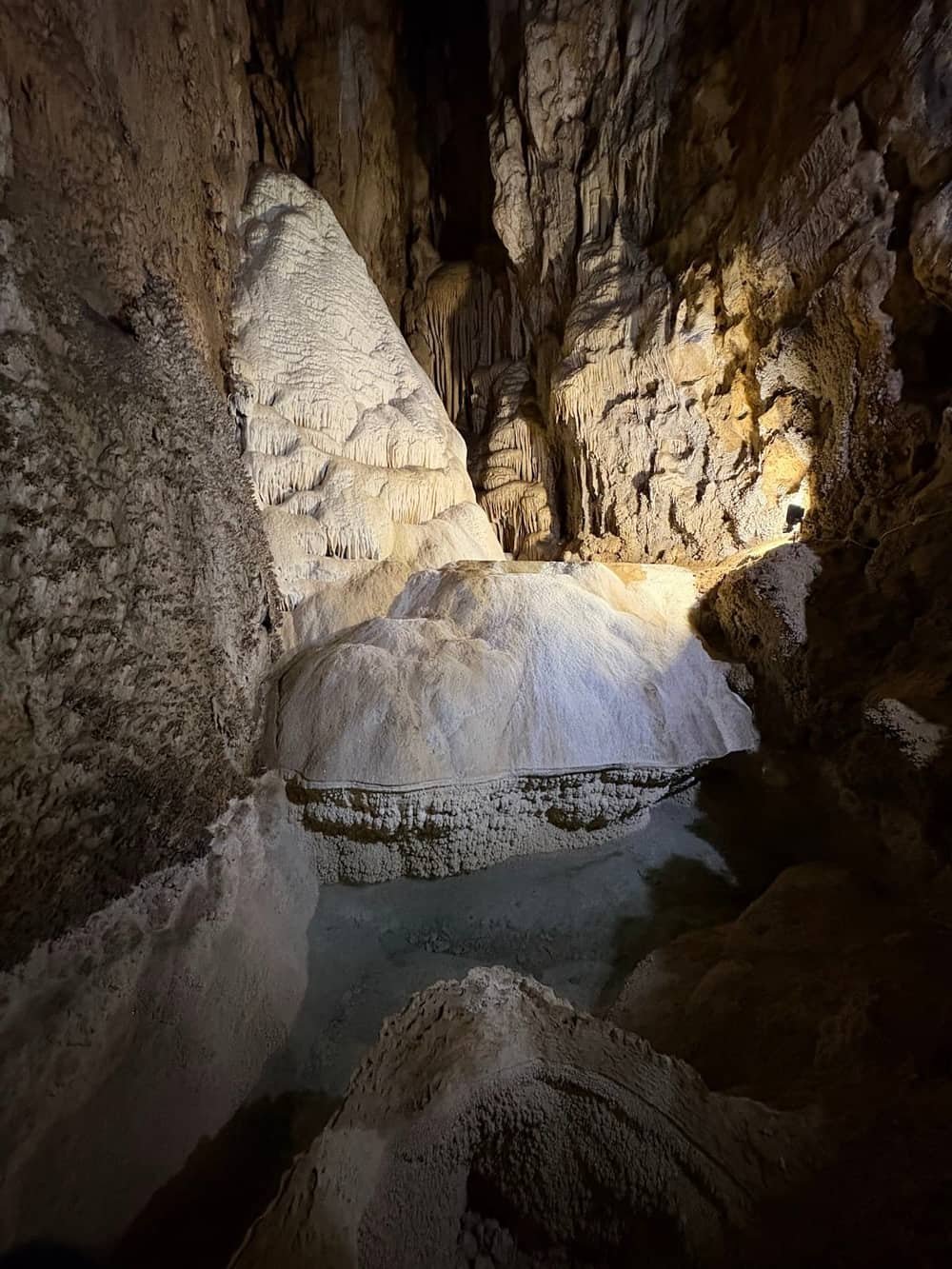
Further out, in the north-west, the rock formations at Belogradchik and, in the north-centre, the Krushuna Falls with their turquoise-green travertine terraces, reveal a less-known but memorable Bulgaria.
Festivals and the warm season
Bulgarian summer is also a season of events. Build your trip around them where it fits:
- The Rose Valley at Kazanlak: the harvest of the damask rose runs from late spring into early summer, with a festival, parades and fragrant fields. Check exact dates — they depend on the bloom.
- Concerts and performances in Plovdiv's Roman theatre and the sound-and-light show at Tsarevets in Veliko Tarnovo, throughout the summer.
- Folk and music festivals in the Rhodope villages, where the tradition of song is still alive.
Dates and schedules vary year to year — treat them as indicative and confirm before planning your route around an event.
How to combine sea and mountains
Bulgaria's beauty lies in its compactness: you can have morning on the beach and evening in the mountains without spending your whole holiday behind the wheel. A few formulas that work:
- Coast + Veliko Tarnovo: from Varna or Burgas, Veliko Tarnovo is a natural stop on the way inland. A night there, with the fortress lit at dusk, breaks up a week of beach perfectly.
- Plovdiv as central pivot: set between Sofia and the coast, Plovdiv links easily to Bachkovo Monastery and the Rhodopes. Two nights here give you city, monastery and mountain.
- A mountain finish: end the holiday with two or three days at Bansko or Borovets and a day at the Seven Rila Lakes. Then drop down to Sofia for the flight or the drive home, with clean air in your lungs.
- The short loop from the coast: if you have only one free day from your beach week, pick a single accessible inland destination — don't try to tick them all.
The coast gives you the holiday; the interior gives you the story. And now, with the border open, euros in your pocket and a vignette on your plate, the two link more easily than ever. Start early, leave room for detours, and treat every figure in this guide as a starting point, not a promise.
FAQ
Why look past the beach in summer? Two or three hours from the coast, mountains keep their cool air even in July — Rila, the highest in the Balkans (Musala above 2,900 m), Pirin around Bansko, and the gentler Rhodopes at Pamporovo. Add glacial lakes, painted monasteries and cities that layer Thracian, Roman, Byzantine and Ottoman history.
What should I know about the Seven Rila Lakes? They are a string of glacial lakes terraced down a slope, linked by a well-marked path, with a chairlift that covers much of the height gain and a panoramic viewpoint at the top. The safe window is late summer (June to September); set off early, bring boots with good grip and a windproof layer, and expect a sustained climb on the full route.
Which monasteries are worth visiting in summer? Rila Monastery, a UNESCO site, is the most important — come early, before the coaches. Bachkovo, near Plovdiv, is more intimate; Troyan preserves remarkable frescoes in the plum-brandy region; and Rozhen, near Melnik, sits perched among the sand pyramids.
How do I combine sea and mountains? Bulgaria is compact, so you can have morning on the beach and evening in the mountains. Good formulas: the coast plus a night in Veliko Tarnovo, Plovdiv as a pivot to Bachkovo and the Rhodopes, or a mountain finish at Bansko or Borovets with a day at the Seven Rila Lakes. Distances are indicative; you need a vignette, and fuel costs around 2 euro per litre — see fuel.