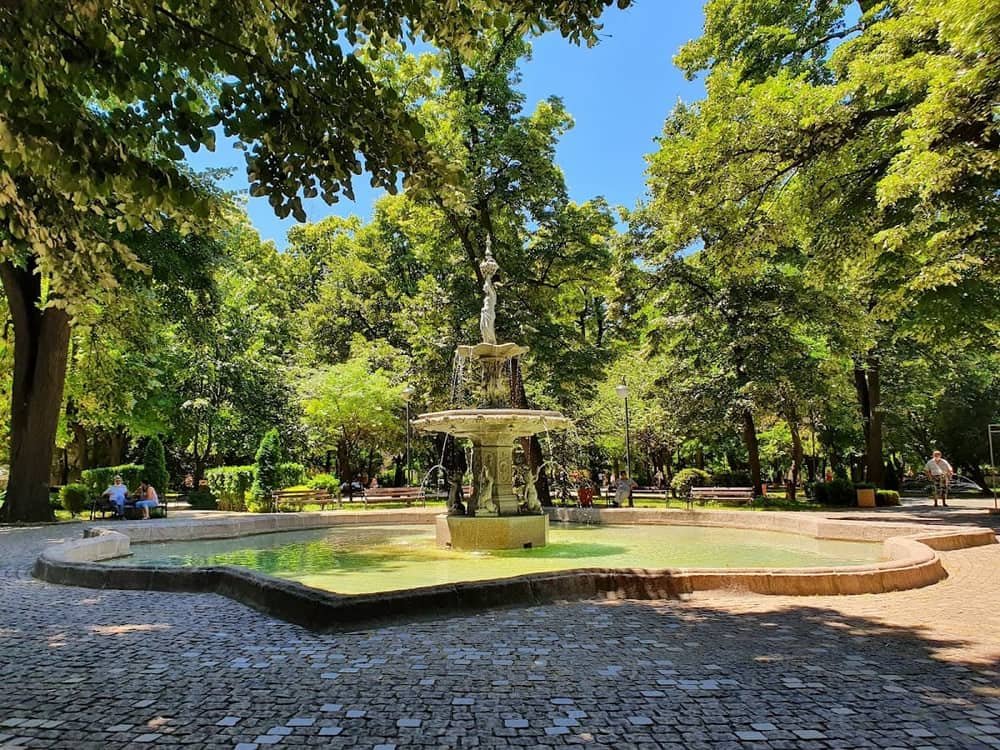
Few European cities carry so much history so lightly as Plovdiv. Set across seven hills in the heart of Bulgaria, it claims one of the longest records of continuous habitation on the continent — Thracians, Greeks, Romans, Ottomans and Bulgarians have all left marks you can still see today. But Plovdiv is no dusty museum: it is a living city with a young creative scene that is every bit as convincing as its ancient ruins. A long weekend is enough for the essence.
Why Plovdiv, and why now
Plovdiv served as a European Capital of Culture, and that moment accelerated a transformation you can feel on the streets: restored buildings, galleries, festivals and a café life that rivals cities many times its size. It is the ideal choice for anyone who wants culture without the crowds and prices of the big capitals. Price figures here are approximate and vary by season.
If you are planning a wider loop through the country, Plovdiv slots naturally into the other stops in our 7-day Bulgaria itinerary.
The Old Town: an open-air museum
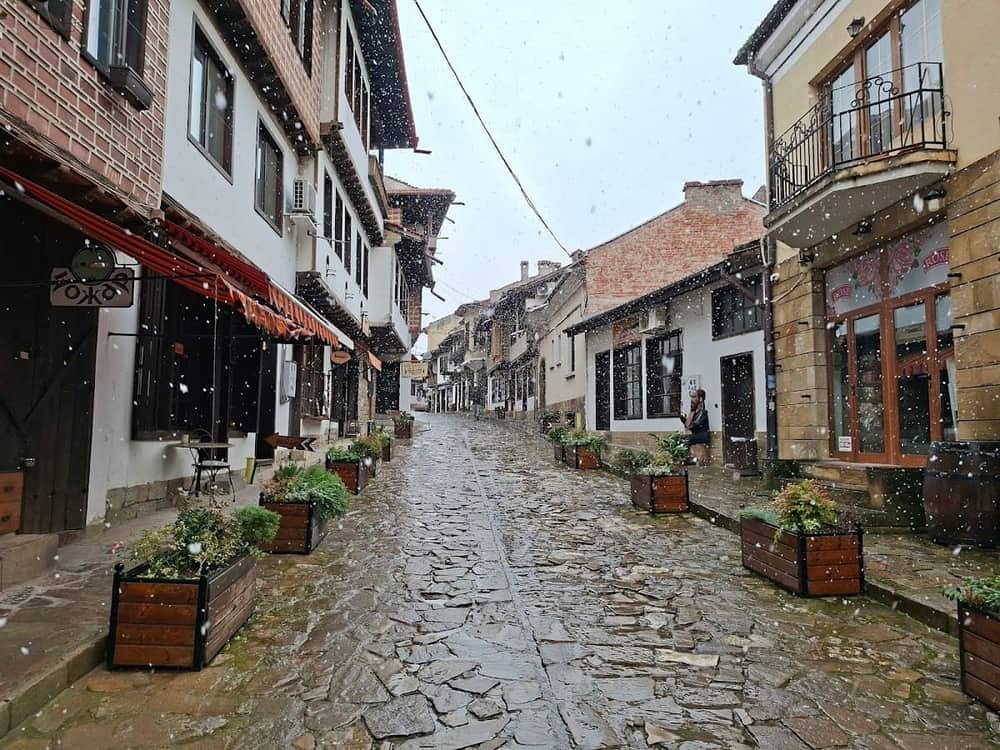
The Old Town (Stariya Grad) is the main reason you come. Cobbled streets climb between Bulgarian Revival houses, their upper floors leaning over the lane, painted in ochre, blue and green. Many are now house-museums well worth a slow visit.
The highlight is the Roman Theatre, built in the 2nd century and carefully restored. It is still used for concerts and performances today — catching one is a rare treat. Nearby, the Roman Stadium surfaces partly below the main pedestrian street, a reminder that the modern city sits literally on top of the ancient one.
For a broader list of sights, see our attractions page.
Kapana: the creative quarter
A few steps from the commercial bustle lies Kapana (the trap), the former guilds quarter, now the city most vibrant creative district. Narrow lanes hold specialty coffee shops, design studios, wine bars and independent galleries. This is where contemporary Plovdiv shows its character. Come in the morning for coffee and in the evening for atmosphere.
Beyond the centre
- Nebet Tepe hill: the remains of the earliest settlement, with a panorama over the whole city — best at sunset.
- The main pedestrian street: one of the longest in Europe, perfect for a stroll and people-watching.
- Churches and the Dzhumaya mosque: the city religious layers, standing a few steps from one another.
Getting there and around
Plovdiv is roughly a two-hour drive from Sofia (approximate distance), with good train and bus links. In town, the historic centre is best explored on foot — the cobblestones do not forgive the wrong shoes. If you are coming from the coast, the city pairs beautifully with a stop in Veliko Tarnovo along the way.
Where to stay
Staying in or beside the Old Town puts everything within reach, but it can be pricier and noisier at weekends. The areas around the main street offer a good compromise between cost and access. Check availability well ahead during festival periods.
Practical tips
- Wear comfortable shoes — the hills and cobbles take effort.
- Many house-museums keep shorter hours on Mondays; check first.
- Local cooking is best explored in traditional mehanas, not only in the fashionable cafés.
- The Cyrillic alphabet appears on signs; a translation app helps.
FAQ
How many days do I need for Plovdiv? Two full days cover the Old Town, Kapana and the main Roman sights. A third day allows a relaxed pace or a trip into the surroundings.
Is Plovdiv good for a weekend city break? Yes — it is one of the best choices in Bulgaria for a cultural weekend, with short distances and a high density of walkable attractions.
When is the best time to visit? Spring and autumn bring pleasant weather and fewer crowds. Summer is hot and full of festivals. Climate data is approximate.
Can it be combined with other cities? Absolutely. Plovdiv links naturally to Sofia, to Veliko Tarnovo and to the mountain monasteries — see our guide to monasteries.