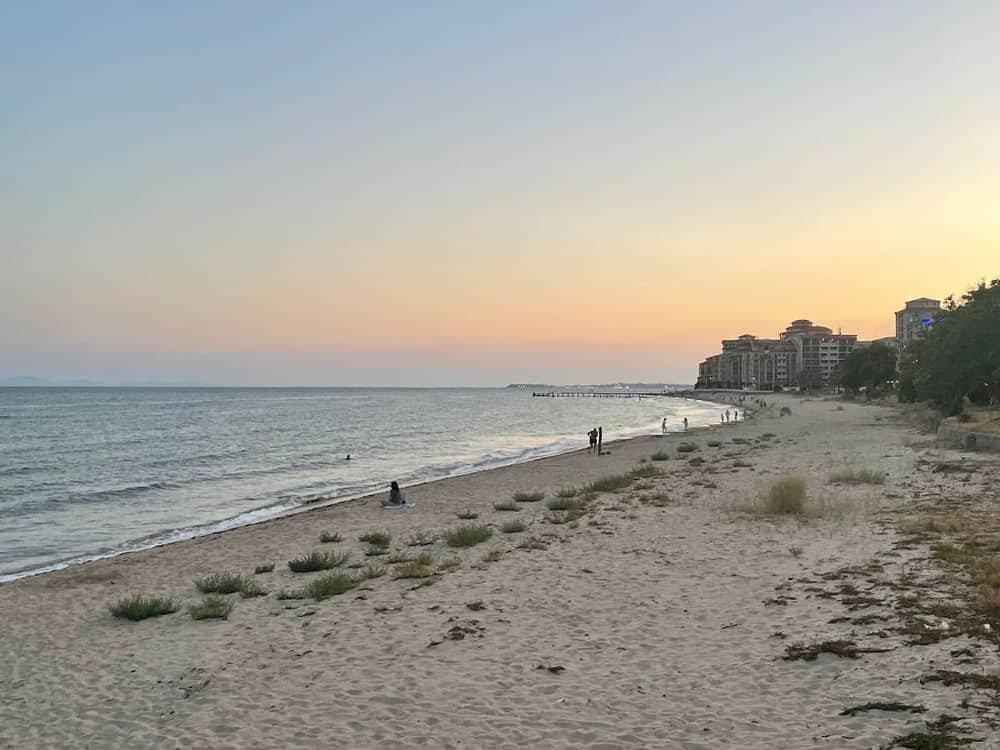
Why the Bulgarian coast works for camping
Bulgaria has one of the friendliest coastlines in Eastern Europe for people who prefer a tent to a hotel. The south in particular still holds wild beaches, old-school campsites under the pines and a relaxed culture of free-and-easy holidays. For travellers from the region, the short distance and direct roads make the Bulgarian coast a serious alternative to crowded resorts.
But free doesn't mean anywhere. Rules have tightened in recent years, and the difference between a great trip and a fine comes down to a few things we spell out below.
Legal camping vs. wild camping: how it actually works
We need to be honest here, because the information out there is contradictory:
- Established campsites (licensed) are the safe choice. You get water, toilets, showers and usually shade. No trouble with the authorities.
- Wild camping on the beach is, as a general rule, restricted — especially on public beaches and in protected areas. Regulations vary and change, so treat this as approximate: check locally on the ground, read the signs and boards, and ask at the nearest campsite or with locals.
Our honest advice: don't assume you can pitch a tent anywhere there's sand. In protected areas (reserves, dunes, Natura 2000 sites) the rules are strict and the fines are real.
The best areas for a tent
The Bulgarian coast isn't uniform. For camping and wild beaches, the south beats the north:
- The wild southern coast, toward Sinemorets and the Arkutino reserve, is the most beautiful area for nature lovers: dunes, lagoons, river mouths and long beaches. Read our guide to the most beautiful wild beaches.
- The [Sozopol](/destinatii/sozopol) area pairs a fortress town with beaches and classic campsites nearby — a good compromise between wilderness and comfort.
- The resort north, like Sunny Beach, suits campervans and hotels more than free tenting; the crowds and development leave little room for nature.
What to bring (checklist)
A well-thought-out camping kit makes all the difference:
- A wind-resistant tent — the sea breeze can be strong in the evening.
- An insulating mat — sand cools down more at night than you'd expect.
- A tarp or beach shade — the midday Bulgarian sun is harsh; see the tips in our shoulder-season guide, when the heat is gentler.
- Plenty of water — not every wild beach has drinkable sources.
- Rubbish bags — wild beaches have no bins; pack out what you pack in.
- A headlamp, first-aid kit and mosquito spray (the lagoons have mosquitoes).
Campervans and motorhomes
If you travel by motorhome, licensed campsites remain the simplest and most legal option, with electric hook-ups and waste disposal. Overnight parking outside campsites is, like tenting, restricted in many places — this is approximate, so check the local signs. Don't block beach access and don't camp in reserves.
The best time and camp life
- June and September are the golden months for a tent: warm but not stifling, and fewer people.
- July–August bring high heat and full campsites — book your spot in advance.
For meals, don't limit yourself to tinned food. Local markets have excellent tomatoes, cheese and bread, and in town a hot meal is worth it — see what to order in Bulgarian food to try, or pick from our restaurants selection when you want a break from your own grill.
Common-sense (and legal) rules
- Don't light open fires on the beach or in the forest without a permit — wildfire risk is high in summer.
- Don't disturb the dunes and vegetation: they hold the beach in place.
- Leave the spot cleaner than you found it.
- Respect quiet hours at night; wild camping runs on mutual respect.
FAQ
Is wild camping legal on Bulgarian beaches?
As a general rule it's restricted, especially on public beaches and in protected areas, and the regulations change. Treat this as approximate — the safest option is a licensed campsite, and on the beach check the signs and ask locally before you pitch.
Which is the best area for a tent?
The wild southern coast, toward Sinemorets and the Arkutino reserve, offers the finest beaches for nature lovers. The Sozopol area is a good compromise between wilderness and comfort.
When is the best time to go?
June and September offer warm weather without the July–August crowds and heat. They're also the best value months for camping.
Can I have a campfire on the beach?
Not without a permit. Wildfire risk is high in summer, and open fires on the beach or in the forest are generally banned. Use a portable stove instead of an open fire.