Bulgaria rarely fits into a single holiday, but seven days are enough to catch the contrast that defines it: the warm Black Sea coast and the cool ridges of the Rila and Pirin mountains. The itinerary below is built for travellers who want to drive at an easy pace, not tick everything off in a rush. Distances are approximate and depend on traffic and road conditions, so treat the plan as a framework rather than a train timetable.
How to read this route
We start from the coast and move inland, because most visitors arrive in the northeast or fly into Varna. If you land in Sofia instead, run the exact same route in reverse. A car gives you the most freedom; public transport links the big cities but seriously limits you in the mountains.
For extra context and inspiration, it is worth reading our piece on the old towns of Bulgaria, which complements the cultural stops below.
Days 1-2: The northern and southern coast
Begin in Varna, the largest resort city on the northern coast, with its Sea Garden, archaeology museum and a pleasant, walkable old centre. It is a city that works outside the season too, not just a summer ghost-resort.
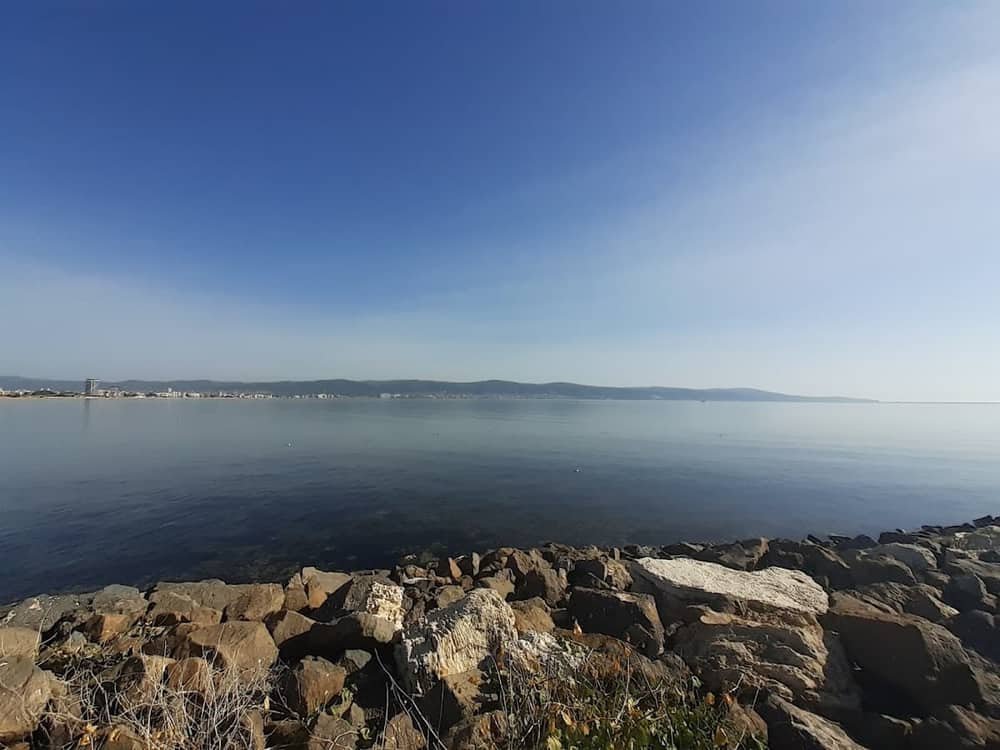
On the second day, head south to Sozopol, the fortress-town on the southern coast, with its wooden Bulgarian Revival houses and stone lanes running down to the sea. Sozopol feels more intimate than the mega-resorts and gives you a genuine first taste of the region s Greek-Thracian past. Leave time for a swim and a dinner of fresh fish.
Day 3: The road inland — Veliko Tarnovo
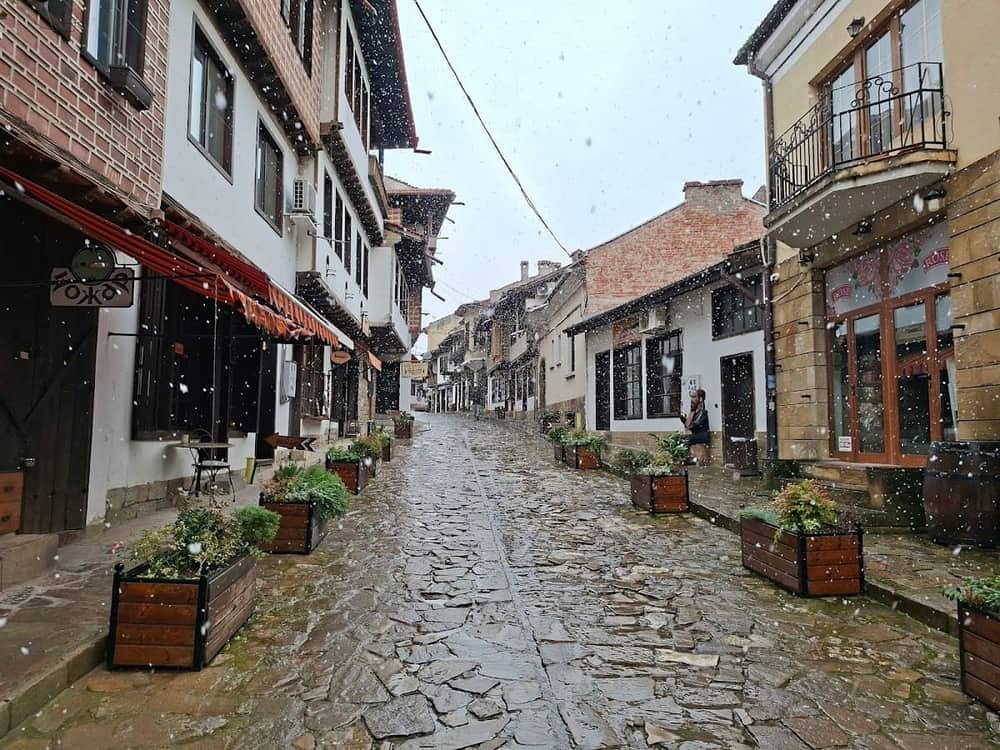
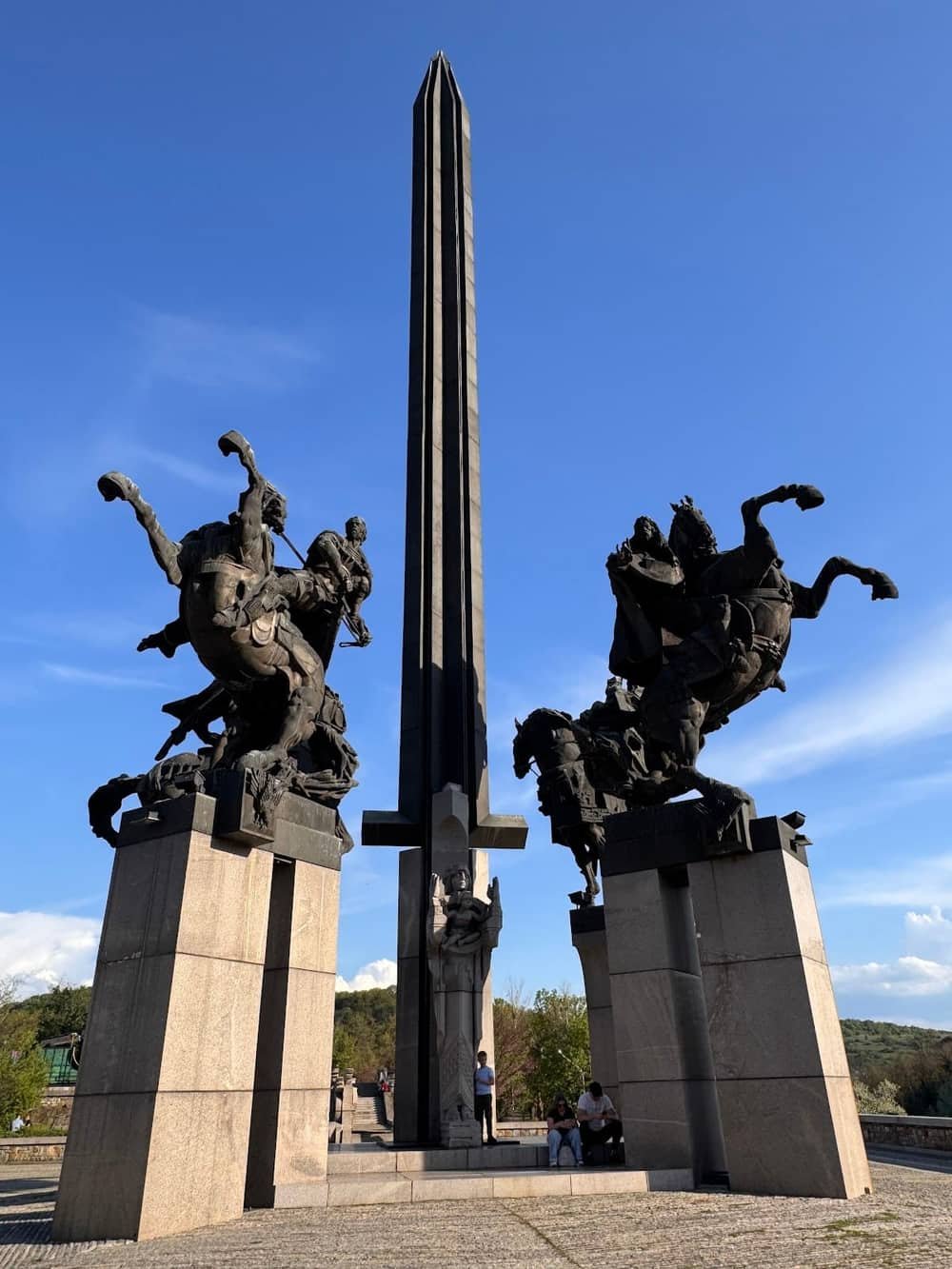
From the coast, drive to the old medieval capital, Veliko Tarnovo. The town climbs dramatically along the banks of the Yantra river, with the Tsarevets fortress crowning everything from above. It is one of the most striking urban views in the Balkans. Walk the craftsmen s street and stay overnight — the evening light over the fortress is worth it.
Day 4: Plovdiv, the city in no hurry
Continue to Plovdiv, one of the oldest continuously inhabited cities in Europe. The Old Town, with its brightly painted houses and restored Roman theatre, is an open-air museum. The Kapana district, once the guilds quarter, has become a creative hub full of cafés and studios. Check our list of attractions to round out the day.
Days 5-6: The Rila and Pirin mountains
Here the route changes character entirely. Make for Panichishte, the gateway to the famous Seven Rila Lakes — a cluster of high-altitude glacial lakes reached by chairlift and then on foot. Mountain weather shifts quickly even in summer, so pack accordingly.
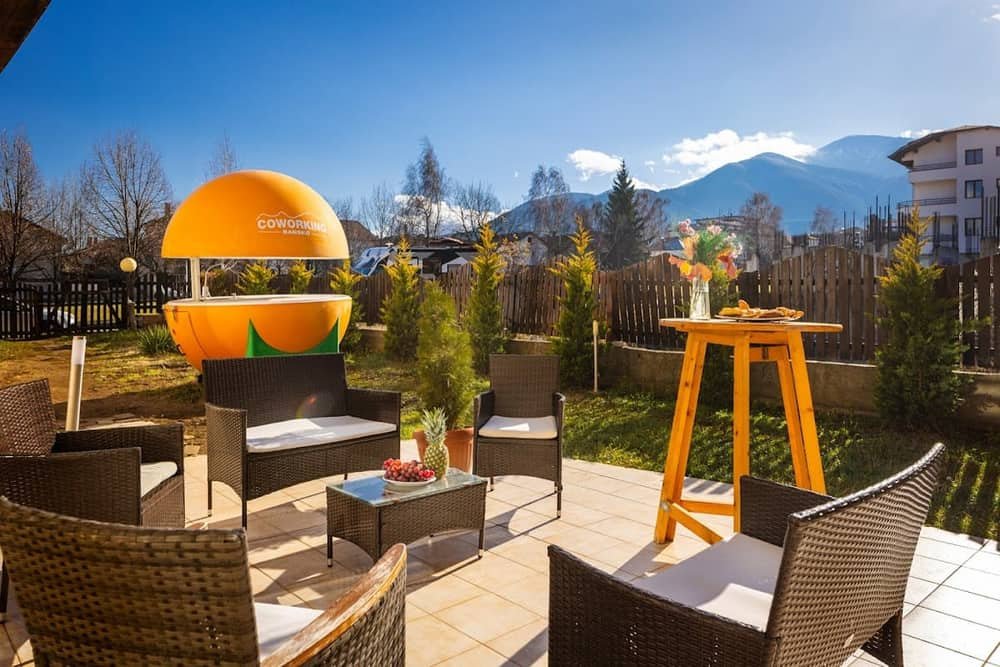
The next day, move on to Bansko, Bulgaria s best-known mountain resort at the foot of the Pirin massif. In winter it is a skiing paradise; in summer, a launch point for hikes toward the Pirin peaks. The old town centre keeps a genuine charm, with traditional mehanas serving hearty mountain cooking.
Day 7: Rila Monastery and the way back
Close the loop with a visit to Rila Monastery, the most important spiritual site in Bulgaria, hidden in a forested valley. The vivid frescoes and the arcaded courtyard are hard to forget. If you want to go deeper, we have a dedicated guide to Bulgaria s monasteries. From here, the road to Sofia or back home is short.
Practical tips
- Accommodation: book ahead in the summer season on the coast and in ski season in the mountains.
- Driving: the main motorways are good; mountain roads demand caution.
- Budget: costs are approximate and vary widely between the coast and rural areas.
- Language: the Cyrillic alphabet is everywhere; a translation app helps.
FAQ
Can this route be done without a car? Partly. The main cities are linked by train and bus, but mountain areas like Panichishte and the glacial lakes are hard to reach without your own car or an organised tour.
When is the best time to go? Late May to September catches both the coast and the snow-free mountains. For skiing, winter completely changes the logic of the route. Climate data is approximate.
Are seven days enough? For an overview, yes. If you want relaxed beach days or long mountain hikes, allow 10-12 days.
How hard is the coast-to-mountain drive? It involves no technical driving, but the distances and altitude changes call for one easy transit day between the coast and Rila.