Bulgaria is one of the most accessible destinations for travellers from Romania and the rest of Europe — and yet few people realise how much easier the journey has become in recent years. From joining the Schengen area to adopting the euro, the rules have shifted in your favour. This guide lays out every realistic way to get there — by air, by car, by coach, by rail — and, more importantly, helps you choose the one that fits your kind of trip.
In brief: what suits you
Before the detail, the quick mental map:
- Want the coast (Sunny Beach, Golden Sands, Nessebar, Sozopol, Albena, Sveti Vlas, Pomorie)? Driving from Romania is often the best call, especially for families with luggage. Coming from farther afield, fly into Varna or Burgas.
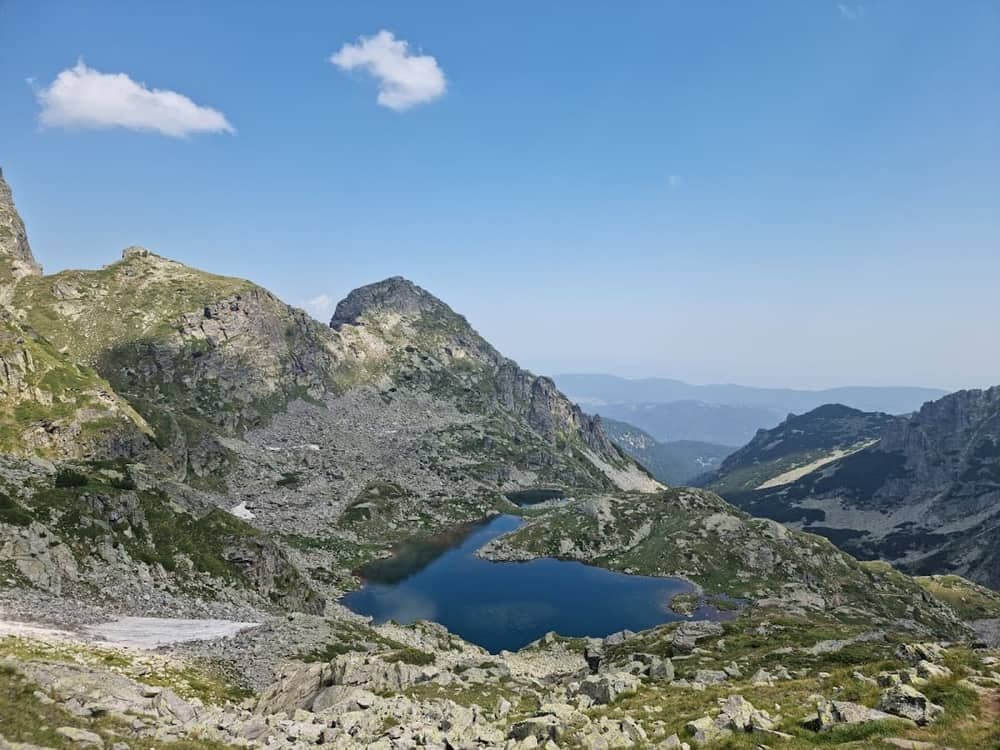
- Want the mountains (Bansko, Borovets, Pamporovo) or the capital? Fly into Sofia, or drive if you're setting off from western Romania.
- Want a cultural city break (Plovdiv, Veliko Tarnovo, Sofia, Rila Monastery)? A flight to Sofia plus a rental car covers the route best.
- Tight budget, no rush? Coaches link the big Romanian cities to Sofia, Varna and Burgas for very little.
By air: the four airports
Bulgaria has four airports that matter to a tourist.
Sofia (SOF) The country's largest and best-connected airport, the natural gateway to the capital, the mountains and the inland cities. It has regular links to numerous European hubs and is the ideal base if you're planning a Sofia – Rila Monastery – Plovdiv loop or a ski holiday in Bansko and Borovets. A metro line stops right inside the terminal and takes you into the centre quickly and cheaply.
Varna (VAR) The northern coast's airport. It's the obvious choice for Golden Sands, Albena, Sveti Konstantin or for the city of Varna itself, with its seafront boulevard and Sea Garden. It runs hard in summer, with plenty of charter and seasonal low-cost flights; in winter the offer thins out considerably.
Burgas (BOJ) Varna's southern twin and the closest airport to the busy southern resorts: Sunny Beach, Nessebar, Sozopol, Pomorie, Sveti Vlas. It's very active in summer, packed with seasonal flights from across Europe. If your holiday centres on the southern beaches, this is where you want to land.
Plovdiv (PDV) The smallest of the four, with modest, seasonal traffic served mainly by a handful of low-cost carriers. It can occasionally be handy for reaching the country's second city and the Rose Valley near Kazanlak, but don't count on it as your main option — check first whether there's a convenient flight in your travel window.
Worth remembering: flight supply to Varna and Burgas is heavily seasonal. In summer you'll find dozens of direct routes; in late spring and early autumn, far fewer; in winter, almost none to the coast. For off-season travel, Sofia remains the safest gateway.
By car from Romania: the border that no longer exists
This is the biggest shift in mindset. Romania and Bulgaria are now both in Schengen, which means crossing the land border involves no passport or ID checks. You cross the Danube and you're simply in Bulgaria, without the endless customs queues of the past. We still recommend keeping your documents to hand — ID, driving licence, registration, insurance — for any random police check, but the systematic stop at the frontier is gone.
Crossing points The most-used crossings remain the Giurgiu – Ruse bridge (the most direct route to Veliko Tarnovo and the interior), Calafat – Vidin over the Danube bridge (good for western Bulgaria and Sofia, close to Belogradchik), and Vama Veche – Durankulak on the coast, ideal for anyone heading straight to Albena, Golden Sands or Varna from the Constanța side.
The electronic vignette — mandatory To drive on Bulgaria's national roads and motorways you need an electronic vignette (road toll). There's no physical sticker any more: your plate is registered electronically and enforcement is automatic, via cameras. You buy it online from the official platform, or at petrol stations and border points, in different durations (from a few days to a year). Buy it before you join the tolled roads — fines for driving without one are steep. Prices are low and indicative; check the exact amount on the official source before you leave.
Fuel and costs Petrol and diesel cost around 2 euro per litre (an indicative figure that varies day to day and station to station). Bulgaria has switched to the euro, so you pay in the same currency you already carry; the lev still circulates in parallel during the transition, but increasingly rarely at the pump. The petrol-station network is dense along the main corridors and sparser on mountain roads — fill up in good time if you're climbing toward Pamporovo, Rozhen or the Seven Rila Lakes.
Driving conditions Main roads and motorways are generally good; secondary mountain roads call for care, especially in bad weather. Speed limits are radar-enforced, and the alcohol tolerance is very low — in practice, don't drink anything at all if you're driving. For scenic but slow routes, budget generously: the switchbacks up to Bachkovo Monastery, Troyan or Melnik are not to be rushed.
By coach: cheap and hassle-free
The coach remains the best value-for-comfort option for anyone who'd rather not drive. There are regular services linking Bucharest and other Romanian cities to Sofia, and in summer seasonal links appear to Varna and Burgas aimed at coast-bound holidaymakers. The advantages are clear: low cost, no worries about vignettes, fuel or parking, and the chance to sleep through an overnight run.
The drawback is reduced flexibility once you arrive: without a car, getting between resorts or out to inland sights depends on local transport. For a holiday fixed in a single resort — say a week at Sunny Beach — the coach is excellent. For a multi-stop itinerary, less so. Timetables and fares change with the season, so check them close to your departure date.
By rail: romantic, but for the unhurried
There is a rail link between Romania and Bulgaria, with trains crossing the Danube at Ruse toward Sofia, but don't expect speed or frequency. The train is an experience in itself — landscapes, a slow rhythm, the flavour of travel from another era — yet for most tourists it stays a niche choice, picked for the pleasure of the journey rather than for efficiency. Inside Bulgaria, the rail network connects the major cities (Sofia, Plovdiv, Burgas, Varna), useful for a relaxed cultural circuit. Always check current timetables, as they shift from one season to the next.
The verdict, by trip type
- Family with kids, a week on the coast: drive from Romania if the run isn't too long from your city — full control over luggage and schedule. Otherwise, fly into Burgas or Varna plus a transfer.
- Couple, cultural city break (Sofia, Plovdiv, Veliko Tarnovo, Rila): fly into Sofia plus a rental car, so you catch the monasteries and the villages too.
- Winter skiing (Bansko, Borovets, Pamporovo): fly into Sofia, then transfer or drive; in winter the coast has no flights, so Sofia is the gateway.
- Small budget, one resort: a direct coach to your destination, with no logistical fuss.
- Slow travel, for the road's sake: the train, for anyone who values the experience over the clock.
Whichever you choose, Bulgaria is closer than you think — across a border with no queues, with the same currency in your pocket, and with thousands of kilometres of coast and mountain waiting.
FAQ
Which airport should I fly to for my destination? Sofia (SOF) is the best-connected, ideal for the capital, mountains and inland cities. For the northern coast (Golden Sands, Albena) fly into Varna (VAR), and for the busy south (Sunny Beach, Nessebar, Sozopol) into Burgas (BOJ); coastal flights are heavily seasonal and almost absent in winter.
What are the main crossing points by car? The most-used are the Giurgiu–Ruse bridge (direct to Veliko Tarnovo and the interior), Calafat–Vidin (good for western Bulgaria and Sofia) and Vama Veche–Durankulak on the coast. With both countries in Schengen, you cross with no passport or ID checks.
Are the coach or train worth it? The coach offers the best value-for-comfort for a holiday in a single resort, with regular services to Sofia and seasonal ones to Varna and Burgas. The train is romantic but slow and infrequent — a niche choice, picked for the pleasure of the journey rather than efficiency.
What does it cost and how do I pay on the road? Fuel is around 2 euro per litre (indicative), and Bulgaria has switched to the euro, so you pay in the currency you already carry. National roads and motorways require a mandatory electronic vignette, bought before you join the tolled roads.