Bulgaria has a stubborn reputation as a budget destination — all-inclusive resorts on the coast, crowded mountain gondolas, two-euro beer. That is half the truth. The other, quieter half is made of boutique hotels tucked inside museum-towns, a marina full of yachts that would look at home in Monaco, wineries ageing Mavrud in French oak, and private guides who open monastery doors at hours when the tour buses are still asleep. This guide is the map to that Bulgaria — the curated version, free of brochure clichés.
Before you go: what has changed
A few fresh, practical things that genuinely shape a high-end trip:
- The currency is now the euro. Bulgaria has adopted the euro, and the lev still circulates in parallel during the transition. For a while you will see both prices displayed; cards work everywhere in the luxury segment. Check your change — it may occasionally come partly in lev.
- Romania and Bulgaria are both in Schengen. The RO–BG land border has no passport or ID control any more. You cross the Giurgiu–Ruse bridge or the Vama Veche–Durankulak point without stopping at a booth, much like moving between two counties.
- The roads require a mandatory electronic vignette. You buy it online or at petrol stations; it is tied to your number plate, with no physical sticker. Skip it and the fines bite. Fuel runs around 2 euro per litre (petrol and diesel, indicative).
For a luxury stay the honest advice is to bring your own car or rent a premium one. The short distances — Sofia to Plovdiv in under two hours, the coast from Varna to Sozopol in an easy afternoon — and the freedom to stop at a winery on the way are worth more than any transfer.
Where to sleep: boutique and five-star
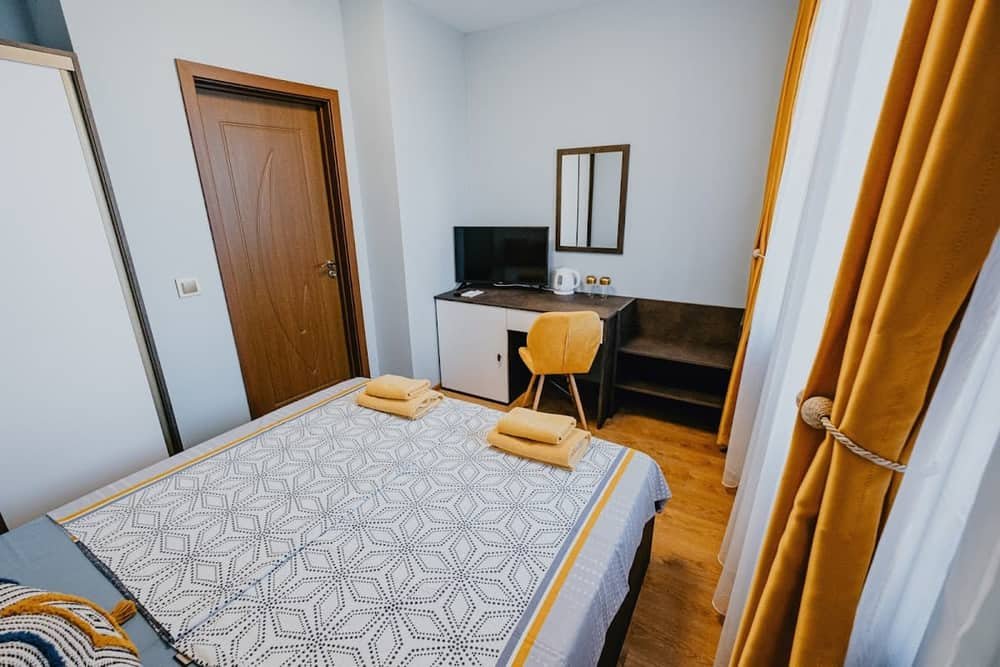
Bulgarian luxury does not live in giant international chains; it lives in small properties with character. A few directions, depending on what you are after:
On the coast
- Sveti Vlas is the epicentre of coastal refinement — a former fishing village turned upscale residential quarter, with white villas on the hill and spa hotels facing the marina. It is the calm alternative to the noise of Sunny Beach, just minutes away.
- Nessebar and Sozopol, the two UNESCO and near-UNESCO museum-towns, hide boutique guesthouses in traditional timber architecture — a handful of rooms each, terraces over the sea, breakfast of local yoghurt and honey. Here you pay for atmosphere and intimacy, not for the number of stars.
- Albena, a fully pedestrian resort-park set inside a nature reserve, has a few top hotels with direct access to a wide beach famous for its cleanliness. It is the choice for families who want luxury without cars or commercial bustle.
In the mountains and inland
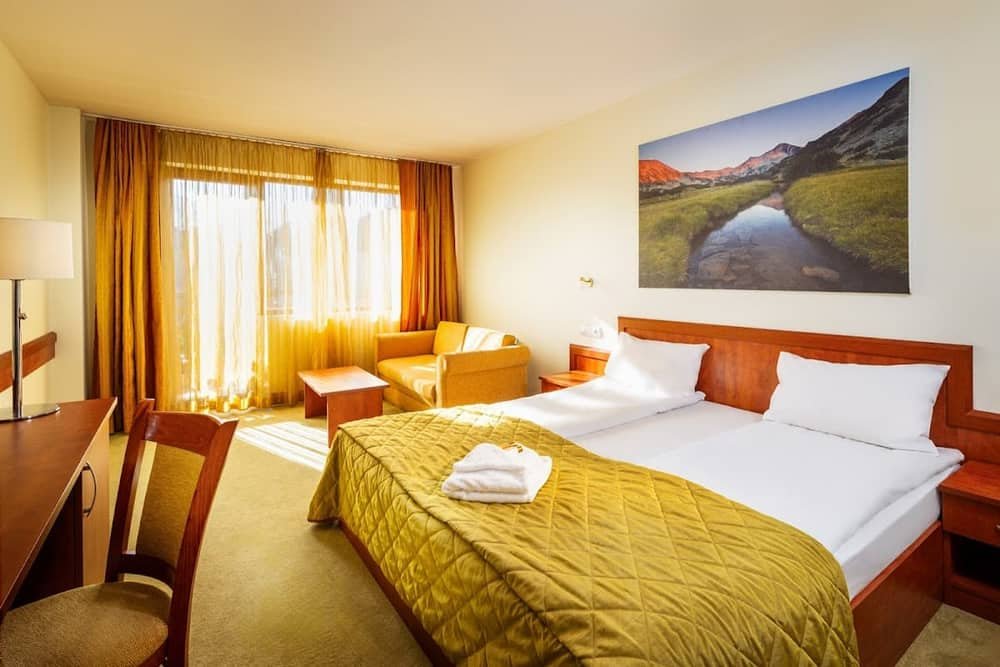
- Bansko holds the largest concentration of five-star mountain-spa hotels in Bulgaria — big properties with indoor pools, steam rooms and easy gondola access. In summer those same hotels become excellent hiking bases in the Pirin at far gentler prices.
- Plovdiv, one of the oldest continuously inhabited cities in Europe, offers boutique hotels in the Old Town, among painted Renaissance-era houses on cobbled lanes. This is cultural luxury at its finest.
- Melnik, Bulgaria's smallest town, nestled among sand pyramids, has traditional mehana houses turned into refined guesthouses, with cellars carved into the rock where the famous local red is served.
A connoisseur's tip: book the corner rooms or the "sea-view" ones early — in small properties there are only one or two of them, and they go first.
The Sveti Vlas marina: Bulgaria on the water
Marina Dinevi at Sveti Vlas is the largest leisure harbour on Bulgaria's Black Sea coast — hundreds of berths, cruising yachts beside sailing boats, and a waterfront of fish restaurants, bars and cafés that comes alive at night. Even without your own vessel, it is worth visiting in its own right:
- A yacht or sailing charter for the day — local operators run trips to the bays between Sveti Vlas, Nessebar and Cape Emine, dropping anchor for a swim offshore. It is the most elegant way to see the coast.
- Dinner on the marina front, fresh fish and a glass of Bulgarian white, watching the masts sway — one of the most underrated evenings on the coast.
- A sunset walk along the harbour moles, with the Balkan range sloping down to the sea behind you.
The marina also makes a comfortable base: old Nessebar is minutes away, and Sunny Beach, with its nightlife, is close enough to visit but far enough to sleep in peace.
Fine dining and the top wineries
This is where Bulgaria surprises most. The cuisine has moved from grilled meat and salad to a serious food scene, anchored in local produce and in wines that are starting to be taken seriously abroad.
The table
- Sofia has the densest fine-dining scene — multi-course tasting menus, modern reinterpretations of Balkan cooking, genuine sommeliers. This is where the country's most ambitious kitchens are.
- Plovdiv blends tradition and creativity in restaurants set inside old houses, many in the bohemian Kapana quarter.
- On the coast, follow the fish and seafood: rapana (a local sea snail), mussels from Pomorie, Black Sea turbot — the best are in the small restaurants of Nessebar, Sozopol and on the Sveti Vlas marina.
An honest note: restaurant names and menus change often and prices are indicative — ask your hotel for the places in vogue in the current season.
The wine: Mavrud, Melnik and the Rose Valley
Bulgaria has a winemaking tradition thousands of years old and native grapes you will find nowhere else. For a luxury trip, a winery tour is essential:
- Mavrud is the country's flagship grape — a robust, spicy red native to the Plovdiv area and Thrace. Many wineries in the region welcome visitors with tastings and lunches.
- Broad-leaved Melnik (Shiroka Melnishka Loza) is the grape of the Melnik area, vinified for centuries in cellars dug into the sand. An intense red with a legend: it is said to have been Churchill's favourite.
- The Rose Valley / Kazanlak is famous for the Damask rose and its essential oil, but it also makes wine; pair a tasting with a visit to a rose-oil distillery (ideally in May–June, at harvest).
The best wineries offer private tastings with a sommelier, lunches at the estate, and the option to ship wine home. Book ahead — small properties take limited numbers.
Private tours and curated experiences
True luxury in Bulgaria is not just the lodging; it is access — a guide who opens doors at quiet hours and tells you the stories behind the stones.
- Rila Monastery, the country's most important, is overwhelming at midday and magical at first light. A private tour gets you there before the coaches, with breakfast at a mountain mehana on the way.
- Bachkovo Monastery, the second most important, pairs beautifully with a day in the Rhodopes.
- Tsarevets fortress in Veliko Tarnovo, the former medieval capital, is best seen at the evening sound-and-light show — a local guide books you the best vantage point.
- Plovdiv deserves a historian to connect its layers: the Roman theatre, the Renaissance houses, the Thracian heritage.
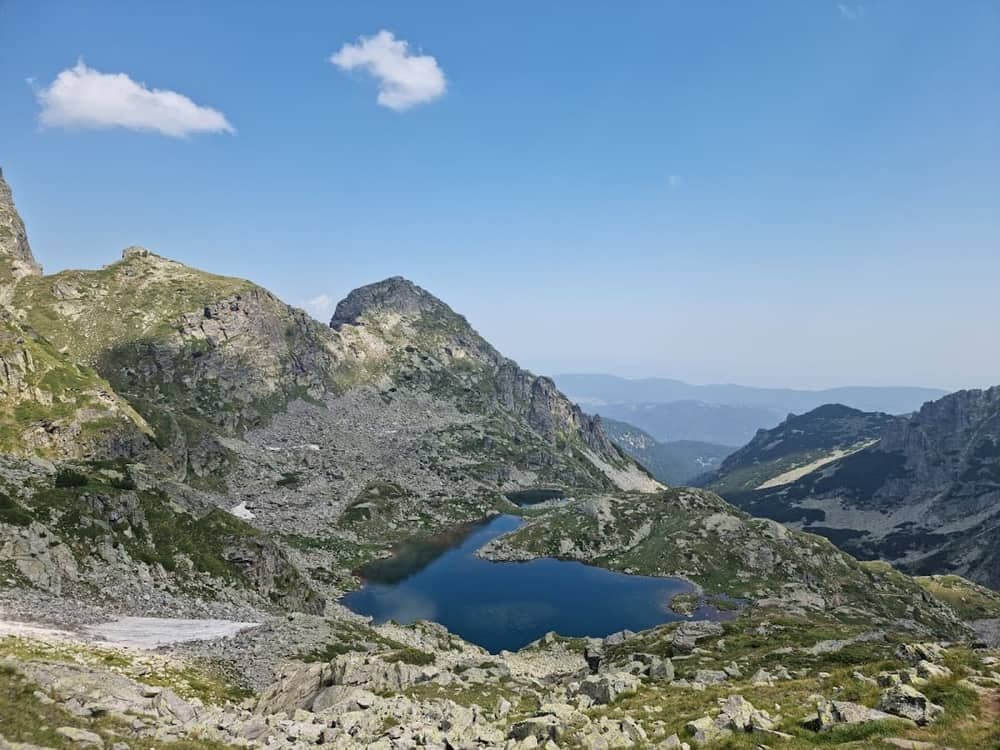
- Curated nature: the Seven Rila Lakes with a mountain guide, the Belogradchik rocks, the Krushuna falls, the Rozhen observatory under the Rhodope sky.
For those who want maximum discretion, private guides arrange everything: a driver and transfers, reserved tables, queue-free entries, a pace tailored to your interests.
Premium skiing in Bansko
Bansko is Bulgaria's most cosmopolitan ski destination and the heart of mountain luxury. The ski area, linked to town by a gondola, offers wide pistes, reliable snow thanks to the Pirin altitude, and an après-ski of traditional mehanas and cocktail bars.
The premium version means:
- Mountain-spa hotels — heated indoor pools, saunas and massages after days on the slopes are the standard in the town's five-star properties.
- Private instructors and off-piste ski guiding for those who want to leave the beaten tracks.
- Ski-in/ski-out and premium rental services with equipment delivered to the hotel.
Borovets (the oldest resort, near Sofia at the foot of the Rila) and Pamporovo (the southernmost and sunniest, in the Rhodopes) complete Bulgaria's mountain triangle — each with its own character, both with top-tier lodging.
The luxury itinerary, in brief
For a trip that blends coast, culture and wine:
- Days 1–3 — the coast: base in Sveti Vlas or Nessebar, a day of yacht charter, dinner on the marina, an evening in Sozopol.
- Days 4–5 — Plovdiv: a boutique hotel in the Old Town, a private tour, a Mavrud tasting at a nearby winery.
- Days 6–7 — Sofia, or an escape to Rila Monastery and onward to Melnik for wine and the sand pyramids.
In winter, swap the coast for Bansko — four days on the slopes, spa every evening, a free day at a snow-covered Rila Monastery.
Luxury Bulgaria does not shout. It has no boulevards of designer windows, and it never tries to be anything other than what it is. Its charm lies precisely in the discretion: a fish dinner on a quiet marina, a glass of Melnik in a cool cellar, an empty monastery at dawn. It is a luxury you discover rather than one you display — and that is exactly why it is worth it.
FAQ
Where do you stay in luxury in Bulgaria? Bulgarian luxury lives in small properties with character, not in chains: Sveti Vlas with its villas and spa hotels facing the marina, the traditional boutique guesthouses of Nessebar and Sozopol, pedestrian Albena, the five-star mountain-spa hotels of Bansko, Plovdiv's Old Town, and the refined guesthouses of Melnik. Book the corner or sea-view rooms early — there are only a few.
What does the Sveti Vlas marina offer? Marina Dinevi is the largest leisure harbour on the Bulgarian coast, with hundreds of berths and a waterfront of fish restaurants. Even without your own vessel, you can take a yacht or sailing charter to the bays between Sveti Vlas, Nessebar and Cape Emine, or dine on the marina front watching the masts.
Which Bulgarian wines are worth seeking out? Mavrud is the flagship grape, a robust red from the Plovdiv area and Thrace, while Broad-leaved Melnik (Shiroka Melnishka Loza) is the grape of Melnik, vinified in cellars dug into the sand. The best wineries offer private tastings with a sommelier and estate lunches; the Rose Valley at Kazanlak pairs wine with rose-oil distilleries.
Which private experiences are worth booking? True luxury is access: a private tour of Rila Monastery before the coaches, with breakfast at a mountain mehana, Bachkovo on a day in the Rhodopes, the sound-and-light show at the Tsarevets fortress in Veliko Tarnovo, or the Seven Rila Lakes with a mountain guide. Private guides arrange transfers, reserved tables and queue-free entries.