Bulgaria has a reputation as a cheap destination, but the truth is more interesting. You can burn through a fortune in a peak-season all-inclusive resort, or you can string together an entire holiday of sea, mountains and old towns on a budget that elsewhere in Europe would barely cover a long weekend. The difference is not luck. It comes down to a handful of decisions made in advance, and this guide gathers exactly those decisions.
First, the money: the euro and an open border
Bulgaria now uses the euro as its official currency. In practice you will still see leva circulating alongside it during this transition period, especially with smaller traders and on older receipts, but prices are increasingly shown in euro and a euro-zone card simply works, with no exchange-rate surprises. For travellers from the euro area this is a genuine advantage: no more money lost at exchange counters, no more mental arithmetic over rates.
For Romanians and anyone arriving overland, the good news is twofold: Romania and Bulgaria are both in Schengen, which means there is no passport or ID control at the land border between the two countries. You cross the Giurgiu–Ruse bridge or the seaside checkpoints without the old endless queues. Less time lost is, indirectly, less money spent: you can leave early and reach your accommodation the same day.
A few money principles that hold for the whole trip:
- Pay by card where you can, and always keep some small cash for markets, local buses or beaches without a terminal.
- Avoid exchange counters at airports and resorts — the rate is poor. If you need cash, withdraw from a major bank's ATM.
- Budget by the day, not by the total. A daily allowance is far easier to keep to than an abstract lump sum.
When to go: the magic of the shoulder season
The single biggest saving has nothing to do with where you sleep or what you eat. It is when you travel. On the coast, June and September deliver the same warm sea and the same beaches as August, but at accommodation prices that are often dramatically lower and without the suffocating crowds. For many, September is the perfect month: the water still holds the warmth of summer, the terraces are open, and the rates have dropped.
In the mountains the logic flips. Resorts such as Bansko, Borovets and Pamporovo are expensive in peak ski season (December to March) but become very affordable in late spring, summer and autumn — exactly when they are best for hiking. Bansko outside winter is one of the best-value mountain bases in the Balkans.
- Cheap coast: the first half of June and all of September.
- Cheap mountains: May to October, for hiking and nature.
- Cities (Sofia, Plovdiv, Veliko Tarnovo): lovely year-round; spring and autumn bring the best prices and the most pleasant weather.
Where to sleep: beyond the big resorts
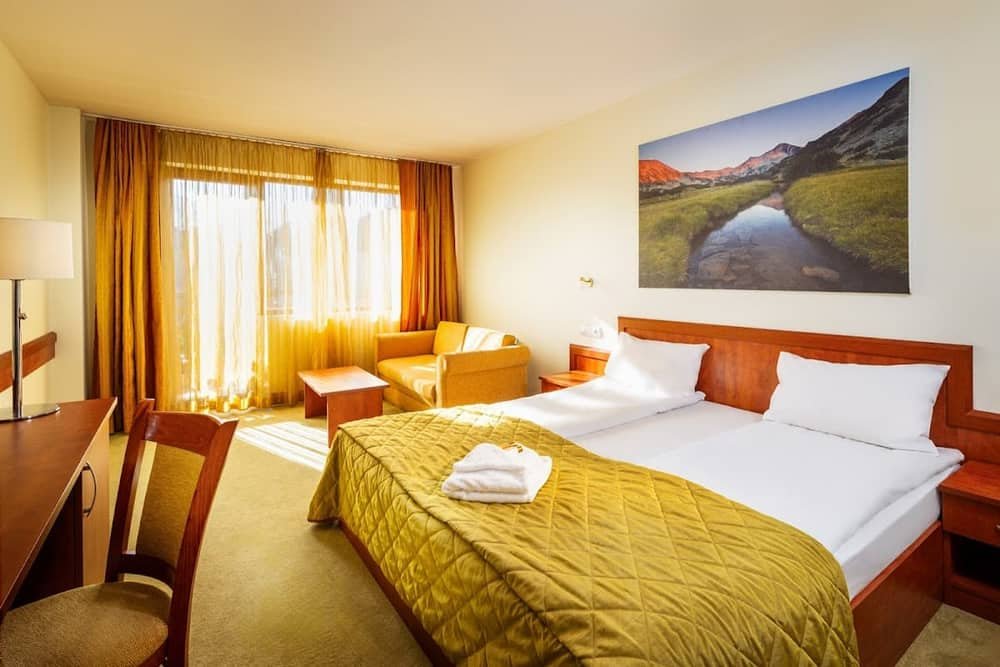
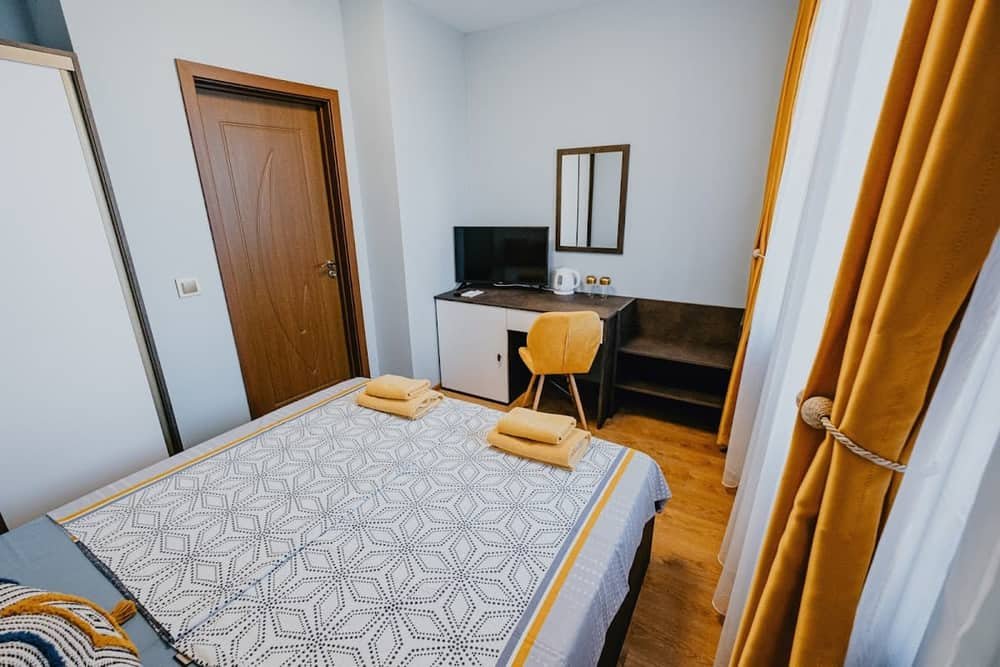
The large resorts — Sunny Beach, Golden Sands, Albena, Sveti Vlas — have hotels for every budget, but that is not where the real value lies for the cost-conscious traveller. The trick is to step down a rung: guesthouses, family-run pensions and private rooms.
- In the old coastal towns, Nessebar, Sozopol and Pomorie have small, often family-owned guesthouses a few steps from the sea. They are usually cheaper and infinitely more authentic than a tower-block hotel.
- For longer stays, an apartment with a kitchen changes the whole equation: you can make breakfast and a few meals, which cuts your daily spend sharply.
- In the mountains and the interior, rural guesthouses are a bargain: in areas like Troyan, the villages around Rila Monastery or Melnik, you sleep well and eat home cooking for very little.
- Veliko Tarnovo and Plovdiv have excellent hostels, ideal for solo or younger travellers.
One tip worth its weight in gold: book directly with small guesthouses, by phone or email. Many never appear on the big platforms and almost always offer a better price without the middleman's commission. Indicative prices swing widely with season and location, so treat any figure as a reference point, not a guarantee.
Getting around: public transport is your friend
Bulgaria has a cheap and surprisingly useful public transport network, as long as you are not in a hurry.
- Intercity buses are the backbone of the country. They link every major city and most resorts, run frequently, are comfortable and are very cheap by Western European standards. For routes like Sofia–Plovdiv, Sofia–Bansko or Burgas–Varna, the bus is usually the best choice.
- Trains are even cheaper and have their own slow charm. The line to Plovdiv or the narrow-gauge mountain route towards Bansko are experiences in themselves. Take your time and you pay little.
- Urban transport (Sofia even has a metro) is very affordable. In the resorts, local minibuses and buses carry you between resorts and old towns for a small fee — far smarter than a taxi.
If you do choose to drive, keep two budget realities in mind. First, a mandatory electronic vignette is required for Bulgarian roads — you buy it online or at petrol stations, it is cheap for a few days, but it is compulsory and checked automatically. Second, fuel costs around 2 euro per litre (petrol and diesel, indicative), so over long distances a car is not necessarily the cheapest option for one person. For a group or a family, split four ways, it becomes competitive again — especially for reaching places that are hard to access by public transport, such as Belogradchik, the Seven Rila Lakes or Krushuna.
What to see: the best things are free
This is where Bulgaria shines for the budget traveller: a great deal of what is truly memorable costs almost nothing.
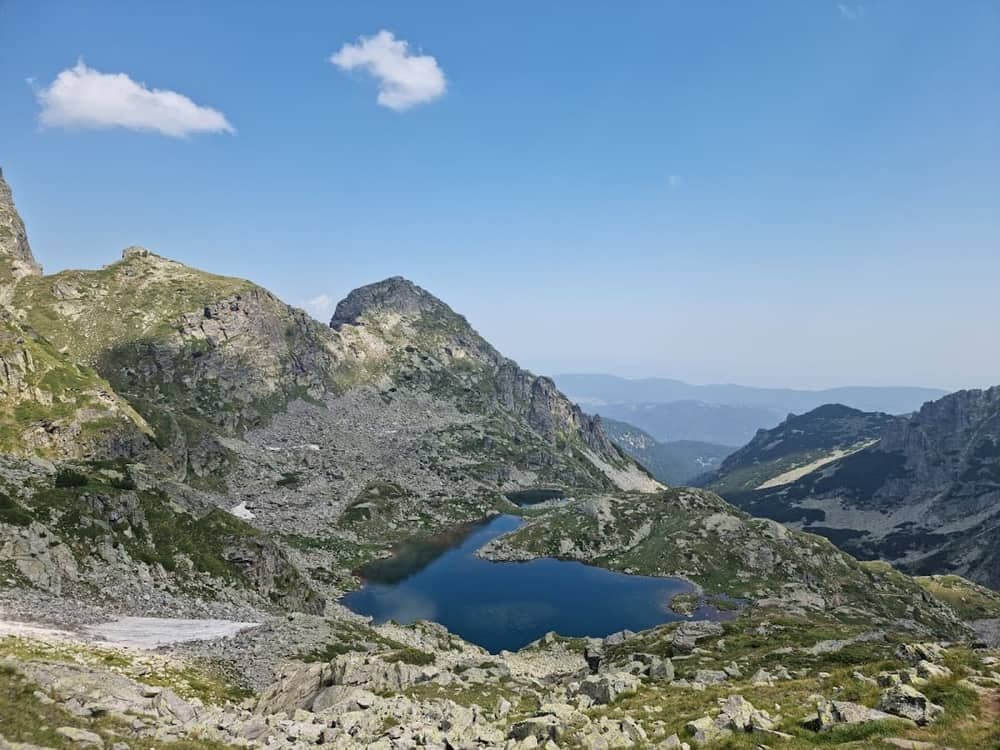
- Nature is free. The hike to the Seven Rila Lakes, the waterfalls at Krushuna, the red rock formations of Belogradchik, the trails around Bansko or Pamporovo — all they ask is effort and good shoes, plus the occasional cable car.
- Old towns are open-air museums. Wander for free through Nessebar (a UNESCO site), along the cobbled streets of Sozopol, through Plovdiv's old town with its Bulgarian Revival houses, or around Veliko Tarnovo clinging to its cliffs.
- Monasteries welcome visitors for free. Rila Monastery, the most spectacular in the country, and Bachkovo charge nothing to enter the courtyard and admire the frescoes — a donation is welcome but entirely your choice.
- Public beaches are everywhere. Many stretches of sand are free; only the sunbed and umbrella are for hire. Spread a towel on the open sand and the sea is yours.
- Churches, squares and seafront promenades — from the Burgas seafront to the Varna sea garden — are free spaces to stroll, exactly where the locals walk in the evening.
You only pay for a few specific attractions: the Tsarevets fortress in Veliko Tarnovo, some museums, the Rozhen rock monastery or the cable cars. They are cheap and almost always worth it.
How to eat well for less
Bulgarian food is one of the great hidden savings: it is tasty, generous and cheap if you know where to eat.
- Look for a "mehana". These traditional taverns serve large portions of home cooking — shopska salad, kavarma, kebapche, banitsa — at low prices. A mehana full of locals is always a good sign.
- Steer clear of the front-row terraces in the big resorts. The closer to the beach in Sunny Beach or Golden Sands, the more expensive and the less authentic. Walk two or three streets inland and the price visibly drops.
- Markets and bakeries are your allies for breakfast and snacks. A warm banitsa and a Bulgarian yoghurt cost next to nothing and keep you going until evening. Market fruit and vegetables are excellent and cheap, especially in summer.
- Local beer and wine. Bulgarian wine, particularly from areas like Melnik, is good and affordable; local beer costs a fraction of imports.
- The self-catering apartment remains the biggest saver: even just a home breakfast plus one market meal can halve your food budget.
Smart low-budget itineraries
A few combinations that give you a lot for a little:
- The authentic, cheap south coast: base yourself in Sozopol or Pomorie, use public beaches, eat in a mehana, take a day in Nessebar and one in Burgas, all linked by local buses.
- Mountains at shoulder-season prices: Bansko in summer as a base, free hiking, a trip to Rila Monastery and to Melnik for wine.
- The cultural triangle: Sofia, Plovdiv and Veliko Tarnovo, linked by train and bus, with hostels and free wandering through the old towns. Add the Rose Valley / Kazanlak in spring if you catch harvest season.
The short saving list
- Go to the coast in June or September, to the mountains May to October.
- Sleep in small guesthouses booked directly, not in front-row resorts.
- Use bus and train; keep a car for groups and remote spots (with a vignette and fuel at about 2 euro per litre).
- Put free nature, old towns and monasteries at the heart of the trip.
- Eat at the mehana and from the market, not on the pricey seafront.
- Pay by card in euro and avoid poor exchange rates.
With these simple rules, Bulgaria remains what it has always been for the attentive traveller: a generous country, where beauty costs little and memories cost even less.
FAQ
When is the cheapest time to visit Bulgaria? On the coast, the first half of June and all of September deliver the same warm sea as August but at far lower rates and without the crowds. In the mountains the logic flips: May to October is affordable and ideal for hiking, whereas ski season (December to March) at Bansko or Borovets is expensive.
Where can I sleep more cheaply than in the big resorts? Step down a rung from the hotels of Sunny Beach or Golden Sands to guesthouses and family pensions in Nessebar, Sozopol or Pomorie. An apartment with a kitchen sharply cuts your daily spend, and booking directly by phone or email avoids the middleman's commission.
How much is transport, and is a car worth it? Intercity buses and trains are cheap and cover the main routes like Sofia–Plovdiv or Burgas–Varna. A car needs a mandatory electronic vignette and fuel at around 2 euro per litre (indicative), so it pays off mainly for groups or remote spots like Belogradchik or the Seven Rila Lakes. See fuel.
What can I see for free? The most memorable things cost almost nothing: the hike to the Seven Rila Lakes, the Belogradchik rocks, the old towns of Nessebar and Sozopol, Rila and Bachkovo monasteries (the courtyard is free) and public beaches, where you pay only for a sunbed. You pay admission only for a few specific sights, such as the Tsarevets fortress in Veliko Tarnovo.