The old towns of Bulgaria are why so many visitors leave feeling they travelled back in time. From the timber houses clinging to the rocks at Nessebar to the Ottoman quarter of Plovdiv, these old towns in Bulgaria preserve architecture, stone and stories the big resorts can't offer. I've picked six I'd put on any serious itinerary, whether on the coast or inland.
A tip before you go: most are explored on foot, on cobbled streets, so bring comfortable shoes. For wider historical context, see the attractions and monasteries nearby.
1. Nessebar
Nessebar is probably the best known of the old towns in Bulgaria and a UNESCO World Heritage Site. The old part sits on a small peninsula, joined to the mainland by a narrow isthmus, and is full of medieval stone-and-brick churches and traditional houses with overhanging timber upper floors.
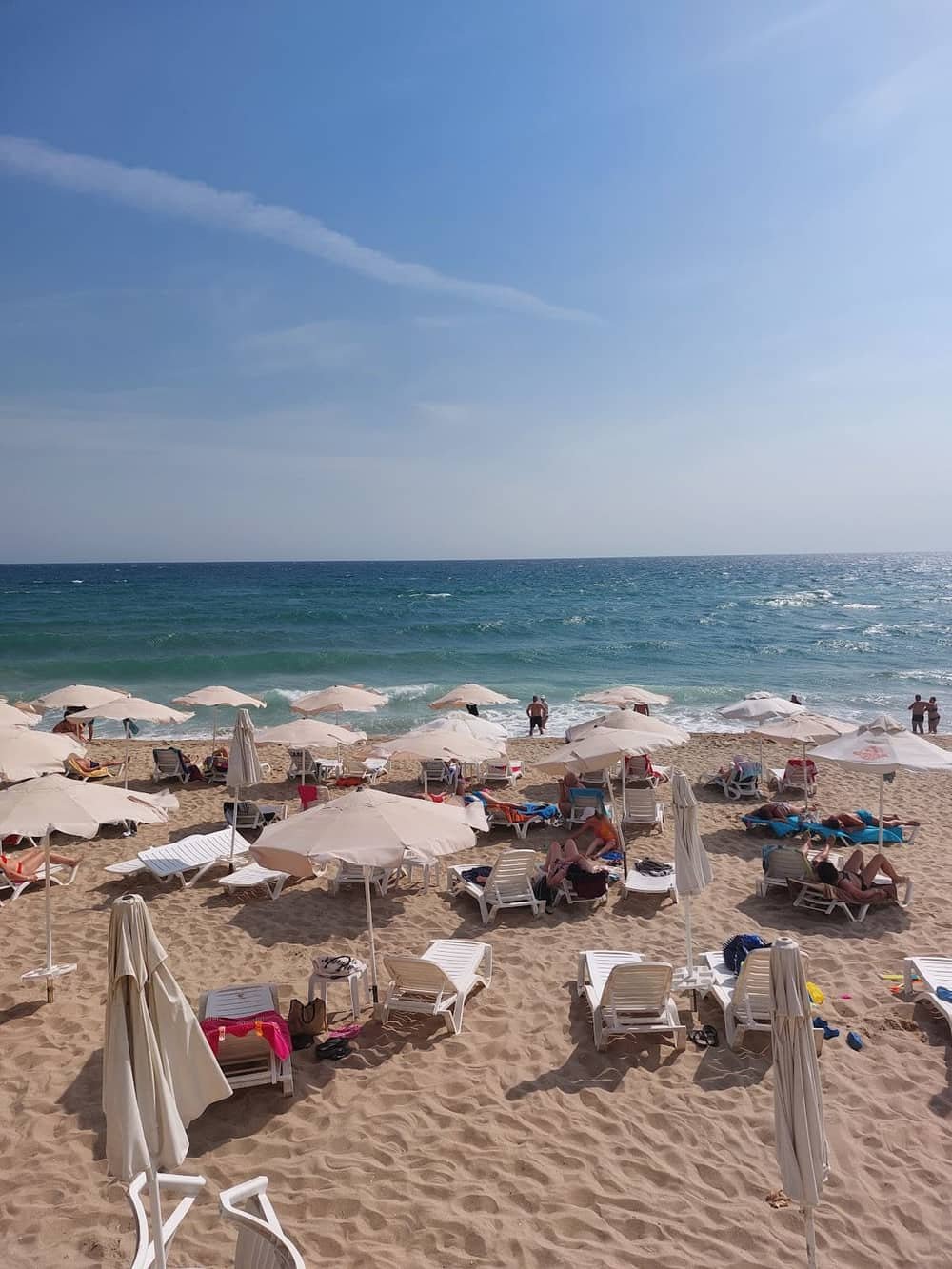
It's next to Sunny Beach, so easy to pair with a seaside holiday. Come early in the morning or in the evening, when the light is soft and the crowds thin out. See the dedicated page for Nessebar.
2. Plovdiv old town
Plovdiv is one of the oldest continuously inhabited cities in Europe, and the old town climbs three hills lined with painted merchant houses from the Bulgarian Revival period. The Roman theatre, still used for performances, is among the best preserved in the Balkans.
The Kapana district, beside the old town, is full of workshops and cafés — the mix of ancient and contemporary is what makes Plovdiv special.
3. Veliko Tarnovo
The former capital of the Second Bulgarian Empire, Veliko Tarnovo is dramatically set on the bends of the Yantra river, with houses clinging to the slopes. Tsarevets fortress dominates the town and is worth the climb for the view and the history.
It's a lively place, with students and an old craftsmen's street (Samovodska Charshia) where ceramics and copper are still worked by hand.
4. Sozopol
On the southern coast, Sozopol blends the beach with an old fishing town full of timber houses on stone foundations. It's more relaxed than Nessebar and has its own old churches and walls. The evenings on the seafront, with terraces and fishermen, have a rhythm of their own.
It pairs history with a swim in the sea perfectly — which is why it's one of the most pleasant bases for exploring the south.
5. Koprivshtitsa
In the mountains, halfway between Sofia and Plovdiv, Koprivshtitsa is a museum-town where the 1876 uprising against the Ottomans began. The colourful houses, with carved gates and inner courtyards, are among the finest examples of Bulgarian Revival architecture.
Several houses are museums you can visit. It's quiet, authentic and almost untouched by mass tourism.
6. Melnik
The smallest town in Bulgaria, Melnik sits among spectacular sand formations in the south-west. It's famous for the red wine made here for centuries and for its Ottoman-era mansion houses, some with cellars cut into the rock.
Come for the wine, stay for the landscape. Rozhen Monastery nearby rounds out a full day.
FAQ
Which old towns in Bulgaria are on the coast? Nessebar and Sozopol are right on the sea, easy to combine with the beach. The rest are inland and need a day or two of their own.
How much time do I need? Nessebar and Sozopol can be seen in a few hours. Plovdiv and Veliko Tarnovo deserve a full day each.
These old towns in Bulgaria reveal a country with far more depth than the beaches suggest. Plan at least one inland stop — see our guides for itineraries too.